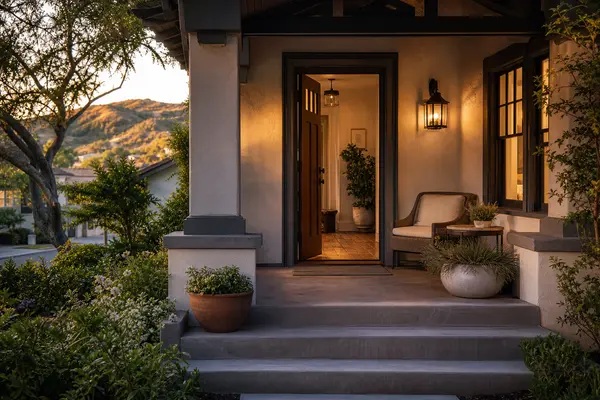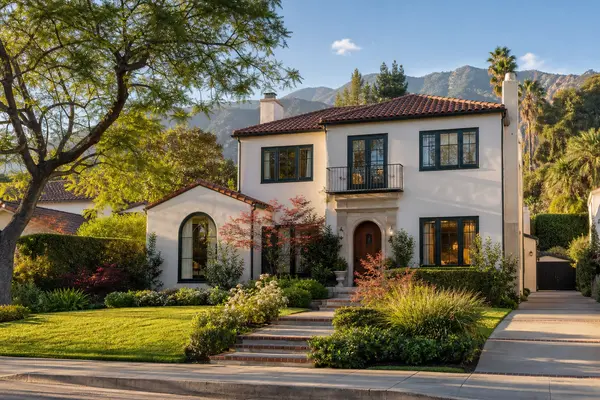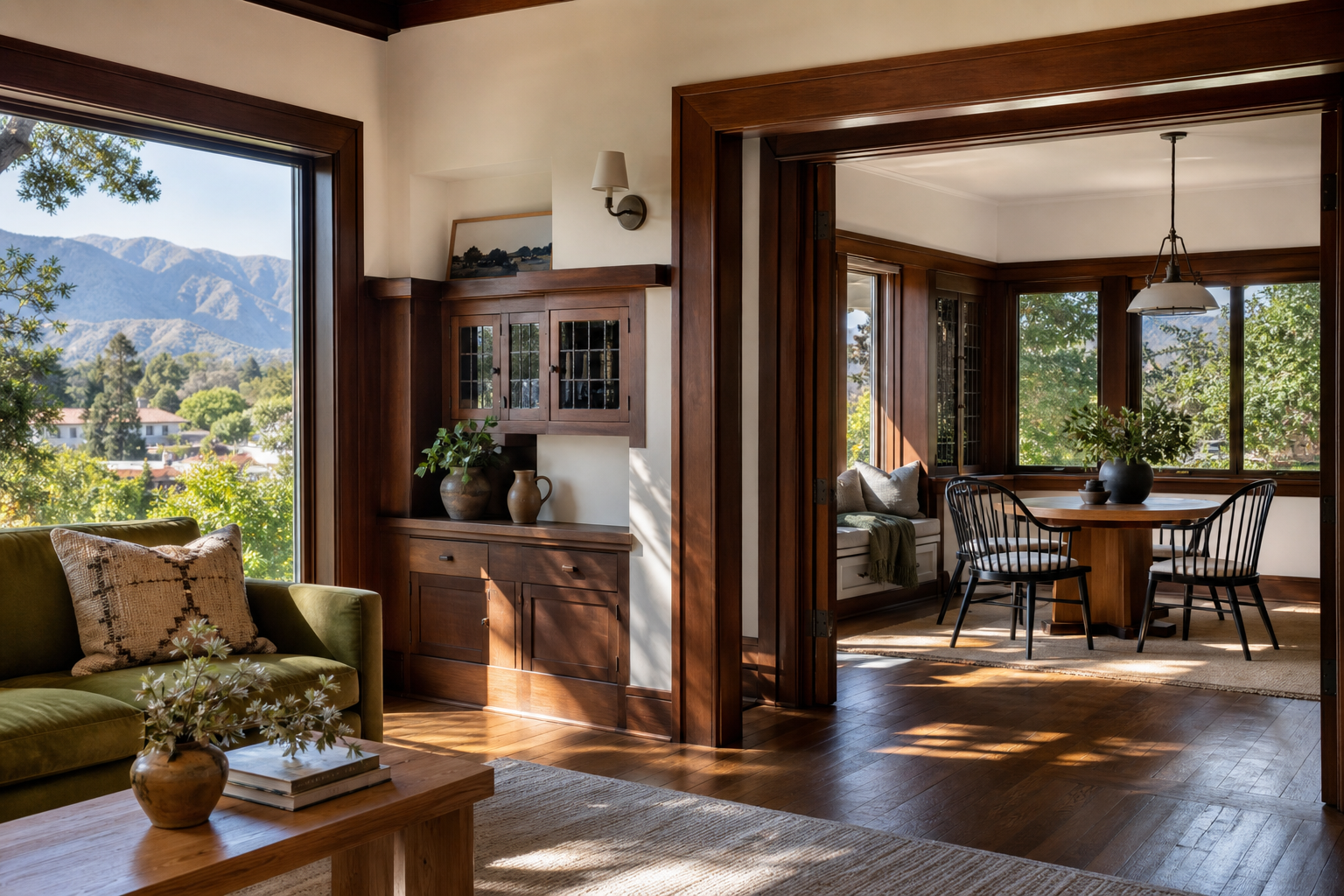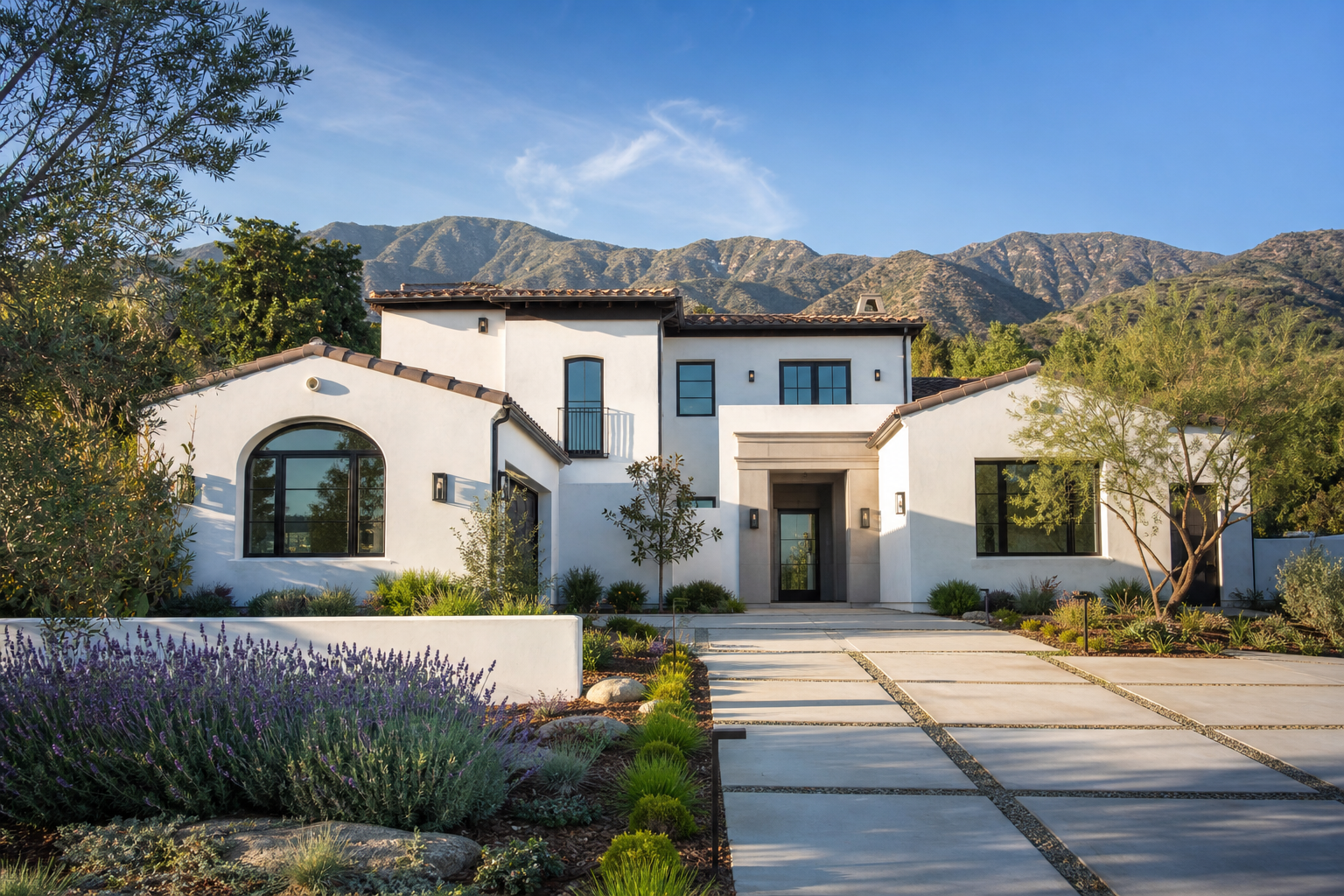

Is Home Staging Worth It in San Gabriel Valley?

Home staging in San Gabriel Valley typically makes the most difference for vacant homes, cluttered interiors, or properties priced at the top of a micro-market. With San Gabriel medians around $1.2M and homes selling in roughly 31–34 days, presentation directly affects whether you attract offers in week one or sit on market.
Is home staging worth it in San Gabriel Valley?
For most SGV sellers, staging is worth considering when the home is vacant, visually cluttered, or competing at the upper end of its micro-market price range. San Gabriel proper posted a median sale price of roughly $1.2M and homes selling in 31–34 days through mid-2026, according to Redfin's San Gabriel housing market data and CRMLS-based local reporting. In that environment, staging is not a magic multiplier, but it can be the difference between generating offers in the first two weeks and watching a listing go stale.
Key Takeaways
- The median sale price in San Gabriel reached $1.2M over the three months ending July 2026, per Redfin, making presentation a meaningful factor at that price point.
- Days on market in San Gabriel ranged from 16 days to pending (Zillow, March 2026) to 34 days on market (Redfin, July 2026), a window where first-week presentation directly affects offer timing.
- Across the SGV in Q1 2026, marketing times varied from 13 days in Covina to 44 days in slower sub-markets, so staging decisions should be made city by city, not valley-wide.
- Vacant homes almost always benefit from furniture and styling; occupied homes benefit most from a consultation and targeted decluttering rather than a full staging package.
- Staging costs and ROI are not one-size-fits-all, the right investment depends on your home's condition, price tier, and how quickly comparable homes are moving in your specific neighborhood.
What does home staging actually cost in San Gabriel Valley?
There is no official published fee schedule for SGV staging companies, and costs vary significantly based on home size, scope, and how long the furniture stays. That said, here is how the pricing landscape generally breaks down, and what you get at each level.
Occupied home staging
If you are still living in the home, staging typically starts with a consultation. A professional stager walks through every room and delivers a written action plan: what to remove, what to rearrange, what to replace. This is the most cost-effective option for occupied sellers and often produces the biggest visual return per dollar spent.
Beyond the consultation, some sellers hire a stager to return and physically implement the recommendations, rearranging furniture, adding accent pieces, styling shelves and surfaces. This partial or "soft" staging keeps your existing furniture but layers in the stager's eye for buyer appeal.
Vacant home staging
Empty homes are harder to sell than most sellers expect. Buyers struggle to gauge room scale, and bare walls and floors make every flaw more visible. Vacant staging involves renting furniture and décor, delivering and installing it, and removing it after the home sells or after a set rental period.
Costs scale with square footage and the number of rooms furnished. Staging a primary living area, dining room, and master bedroom is the most common approach, you don't need every room furnished, but the rooms that photograph and show most prominently should be.
| Staging Type | What's Typically Included | When It Makes the Most Sense |
|---|---|---|
| Consultation only | Written room-by-room recommendations, declutter and furniture placement guidance | Occupied home in good condition; seller can implement changes themselves |
| Occupied partial staging | Consultation plus stager implements changes, adds accent pieces and styling | Occupied home with dated or mismatched furnishings that need a visual refresh |
| Vacant full staging | Furniture rental and delivery for key rooms, décor, art, monthly rental fee | Vacant home at any price point; essential for homes over $1M in SGV |
| Virtual staging | Digitally furnished photos only; no physical furniture | Budget-constrained sellers; works for online marketing but not in-person showings |
I always tell sellers who ask me about staging costs: the question isn't just what staging costs, it's what sitting on market for an extra three weeks costs. At a $1.2M price point, carrying costs, price reductions, and the psychological stigma of a stale listing can dwarf a staging investment. That calculus is worth running before you decide to skip it.
Does staging help homes sell faster in San Gabriel Valley?
The SGV data from 2026 make a strong case that presentation matters, even if they can't isolate staging as a standalone variable. Here's what the numbers show.
According to the Q1 2026 SGV market report based on CRMLS data, days on market tightened sharply across the valley between Q4 2025 and Q1 2026. Arcadia moved from 34 days to 14 days, Alhambra from 28 to 17, and Glendora from 27 to 13. Meanwhile, Zillow's March 31, 2026 San Gabriel snapshot showed a median of just 16 days to pending, meaning roughly half of all listings went under contract in about two weeks.
That's a tight window. In a market where the median home goes pending in 16 days, a listing that doesn't generate strong interest in week one is already behind. That's exactly where staging earns its keep, it maximizes the quality of your first-impression photos and your first weekend of showings, which is when the most motivated buyers are paying attention.
The same CRMLS-based San Gabriel report showed median sale prices rising from $1,075,000 in January 2026 to $1,309,115 in March 2026, while average days to sell fell from 44 to 31. That kind of price appreciation in a single quarter reflects a market where buyers are competing, and in a competitive market, the best-presented home wins.
According to the National Association of Realtors, a meaningful share of buyers' agents report that staging makes it easier for buyers to visualize a property as their future home. That's the real mechanism: staging doesn't add square footage or fix structural issues, but it removes the mental friction that causes buyers to hesitate or make lower offers.
When staging matters most in the SGV
Not every home needs a full staging package. In my experience working with sellers across Pasadena and the broader San Gabriel Valley, these are the situations where staging consistently moves the needle:
- Vacant homes at any price point. Empty rooms photograph poorly and show worse. This is the single clearest case for staging.
- Homes priced above the local median. With the SGV-wide Q1 2026 range running from $745,000 in Baldwin Park to $3.3M in San Marino, the higher your price point, the more discerning your buyer pool, and the more staging justifies its cost.
- Dated interiors in otherwise good locations. A 1980s kitchen with original finishes doesn't need a full renovation before listing, but thoughtful staging can reframe it as a canvas rather than a problem.
- Homes competing against recently renovated inventory. If your neighbors just listed a fully updated home, your presentation needs to close that visual gap.
When you might skip it
If your home is occupied, well-maintained, and already furnished in a reasonably neutral style, a consultation and a thorough declutter may be all you need. I walk my clients through a pre-listing prep process that covers the same ground a stager would flag, and for many occupied homes, that's enough. You can see a full room-by-room approach in my post on how to prepare your Southern California home for sale.
Virtual staging is another option for budget-constrained sellers. It produces digitally furnished listing photos, which help online presentation, but it won't help in-person showings where buyers walk into an empty room. For a home in the $1M-plus range, I generally recommend against relying solely on virtual staging, the gap between the photos and the in-person experience can actually create buyer disappointment.
How to decide if staging is the right investment for your home
Here's the honest answer: staging ROI isn't a fixed number I can give you. It depends on your home's condition, the price tier you're competing in, how quickly comparable homes are moving in your specific neighborhood, and what the competition looks like when you list.
What I can tell you is that the SGV is not a single market. A home in San Marino at $3M is competing against a completely different buyer pool than a home in Baldwin Park at $750K. The Q1 2026 CRMLS data make that spread clear, and staging decisions should reflect that reality, not a valley-wide average.
The most useful thing I do with sellers before we list is run a comparative market analysis that tells us exactly where your home sits relative to recent sales and active competition. That tells us whether you're in a 14-day market or a 34-day market, and it tells us what the best-presented homes in your price range look like. From there, the staging decision becomes much more concrete. You can also read more about why some SGV homes consistently attract multiple offers in my post on why some SGV homes sell over asking.
Your specific number, what staging will cost versus what it might return in your situation, is exactly the kind of question I work through with sellers before we ever hit the market. That's where the real answer lives.
Frequently Asked Questions
How much does home staging cost in San Gabriel Valley?
Staging costs in the SGV vary based on home size, scope, and whether the home is occupied or vacant. A consultation for an occupied home is the lowest-cost entry point; full vacant staging with furniture rental for key rooms represents the highest investment. There is no officially published SGV-specific fee schedule, so I recommend getting quotes from two or three local staging companies and comparing what's included, particularly the furniture rental period and any monthly extension fees.
Is staging worth it for a San Gabriel home in 2026?
For most vacant homes and for occupied homes with dated or cluttered interiors, yes. The latest available data show San Gabriel homes selling at a median of around $1.2M with roughly 31–34 days on market through mid-2026, per Redfin and CRMLS reporting. In a market where the median home goes pending in about 16 days, strong first-week presentation directly affects whether you generate competitive offers or sit on market. The staging investment is most defensible at higher price points and for vacant properties.
What's the difference between occupied and vacant staging?
Occupied staging works with your existing furniture, a stager consults on what to remove, rearrange, and add to improve buyer appeal, often without bringing in rented pieces. Vacant staging involves renting and installing furniture, art, and décor in key rooms because empty homes photograph poorly and are harder for buyers to visualize. Vacant staging typically costs more and involves a monthly rental fee until the home sells.
Does staging help homes sell faster in San Gabriel?
The available market data suggest presentation affects how quickly a home generates offers, even if staging can't be isolated as a single variable. In Q1 2026, days on market tightened sharply across SGV cities, with some markets like Arcadia dropping from 34 to 14 days, according to CRMLS-based SGV reporting. In a market where motivated buyers make decisions in the first one to two weeks, staging maximizes the quality of that critical window.
Should I stage a condo or just declutter it?
For most condos, a thorough declutter, deep clean, and a consultation with a stager is the right starting point, full vacant staging is harder to justify on a smaller footprint unless the unit is empty or the price point is high. The goal is the same regardless of property type: remove anything that makes the space feel smaller or more personal, and let the layout and light do the work. I walk my condo sellers through the same pre-listing checklist I use for single-family homes, adjusted for the specific unit.
Which San Gabriel Valley neighborhoods benefit most from staging?
Staging tends to matter most in higher-price micro-markets where buyers are comparing multiple well-presented options, cities like Pasadena, Arcadia, San Marino, and Temple City, where medians run well above the valley average. That said, the Q1 2026 data show fast-moving markets in lower-price cities too, and a well-staged home stands out regardless of price tier. The right answer depends on what the competition looks like when you list, which is why I review active and recent comparable listings with every seller before making a staging recommendation.
If you're weighing your options before listing, the best next step is a pre-listing consultation where we look at your home's condition, your micro-market's current pace, and what the best-presented comparable homes look like. Connect with me here and we'll build a plan that makes sense for your specific situation.
Equal Housing Opportunity. Eddy Chen is a Broker Associate with REAL Brokerage. This article is general information only and does not constitute legal, tax, or financial advice, confirm your own numbers with your closing agent, tax advisor, or lender. Broker fees and commissions are fully negotiable and not set by law.
Categories
Recent Posts