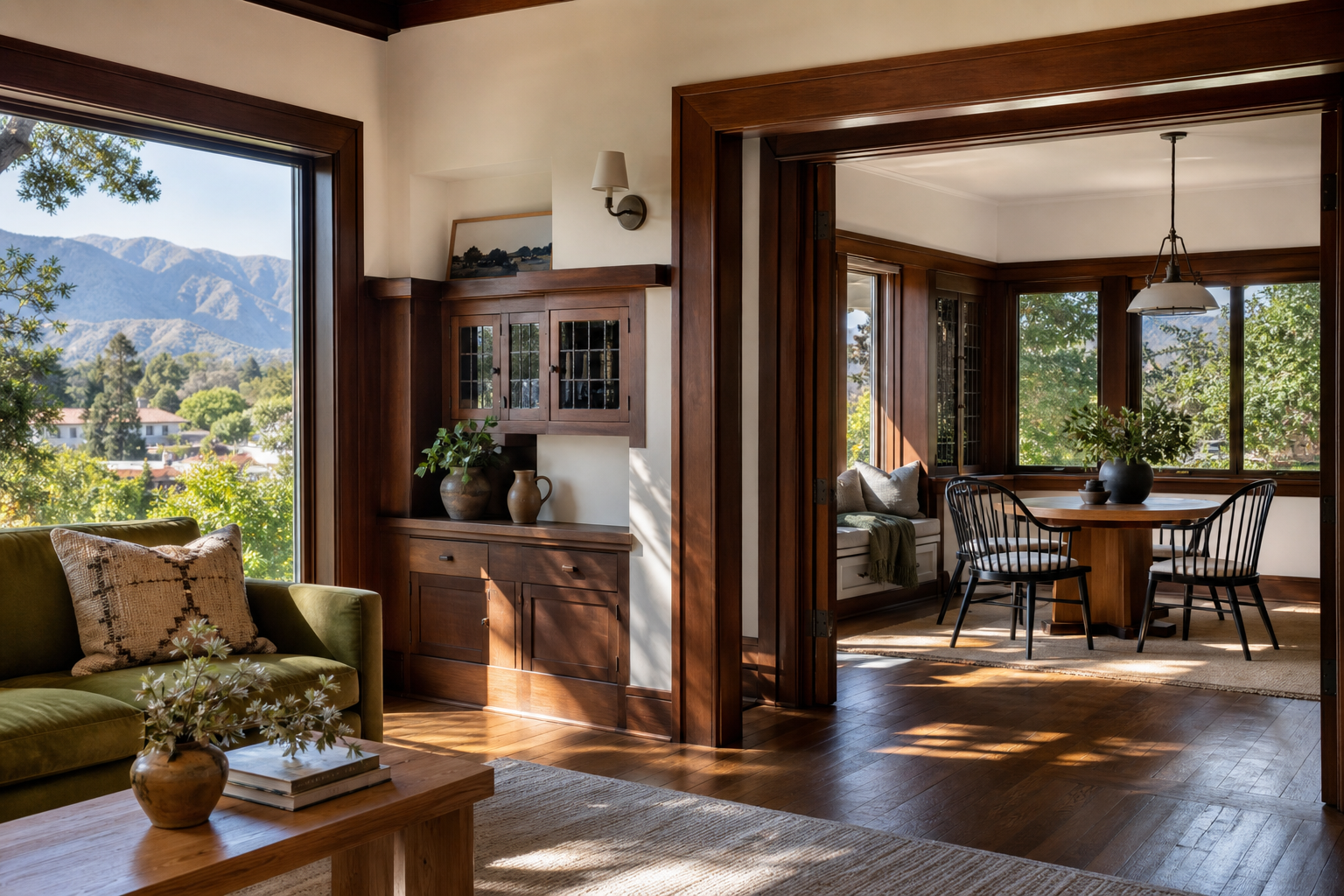

Buy Before Selling in San Gabriel Valley

Move-up buyers in San Gabriel Valley can purchase their next home before selling by using tools like a HELOC, bridge loan, or buy-before-you-sell program. With SGV homes selling quickly and equity levels strong in 2026, buying first is viable, but it requires careful financing and a disciplined plan to sell your current home fast.
Can you buy a new home in San Gabriel Valley before selling your current one?
Yes, and for many SGV homeowners in 2026, it's a realistic strategy. With strong equity gains across the valley, relatively quick selling timelines in mid-market cities, and several financing tools designed specifically for this situation, buying before selling is achievable. The key is matching the right financing structure to your equity position and risk tolerance before you make an offer.
This is one of the most common conversations I have with clients. Move-up buyers are often caught between two fears: buying first and carrying two mortgages, or selling first and having nowhere to go. Here's how I walk my clients through it.
Why the SGV Market Makes Buying First More Manageable
The biggest risk in buying before you sell is the overlap, owning two homes at once and carrying both sets of costs. That risk shrinks when your current home is likely to sell quickly and at a strong price.
In 2026, the SGV market has given move-up buyers some real confidence on that front. According to 1099 Café's Q2 2026 SGV market summary, single-family transaction volume jumped from 1,041 sales in Q1 2026 to 1,246 in Q2 2026, a 19.7% quarter-over-quarter increase. That kind of seasonal acceleration means a well-priced home listed in spring or early summer enters a market with real buyer demand behind it.
Price appreciation is also working in move-up buyers' favor. That same report documents notable Q2 2026 single-family price gains in several SGV cities: San Gabriel (+6.5%), Pasadena (+6.3%), Walnut (+7.1%), and Rosemead (+10.6%). Those gains translate directly into equity you can put to work.
Recent local market data for Pasadena shows a median sale price of $1,205,000, with homes selling in a median of 29 days and 317 closed sales in the trailing 90 days. That's an active market. For San Gabriel specifically, portal data through April 30, 2026 shows homes going pending in around 16 days, with a median sale price of approximately $1,150,833. These are the kinds of timelines that make a buy-first strategy manageable, if your current home is priced right from day one.
That said, not every SGV micro-market moves at the same pace. Luxury segments in cities like Arcadia, San Marino, and Bradbury carry longer days on market, sometimes well into six months for premium properties. If your current home sits in a slower price band, your overlap window could stretch, and your planning needs to account for that. This is exactly where a local market analysis matters, your specific neighborhood, price point, and timing all shape the risk profile.
Timing Your Purchase Around Seasonal Demand
One strategy I use with clients is deliberate sequencing. If you buy in late winter or early spring, you can list your current home directly into peak Q2 demand, which the 2026 data shows is when SGV transaction volume is highest. Alternatively, buying in late summer (like right now, heading into fall) can mean more inventory to choose from on the buy side, while your current home benefits from lower competition among sellers. Neither window is automatically better; it depends on your price point and the specific neighborhoods you're targeting.
The Mid Valley News noted mixed signals in early 2026, fluctuating closed sales and pending activity alongside continued buyer demand. That's an honest read of the market: it's not a one-directional runaway, which means careful pricing and preparation on your sale still matter. I walk every client through a pricing strategy for their current home before we go under contract on the next one.
Financing Tools for Buying Before You Sell
The financing piece is where most move-up buyers get stuck. Here are the main options I discuss with clients, each has trade-offs, and the right fit depends on your equity, income, and how quickly you expect your current home to sell.
HELOC (Home Equity Line of Credit)
A HELOC lets you borrow against your existing home's equity before you sell it. You draw what you need for the down payment on your next home, then repay the line when your current home closes. The advantage: you're not selling under pressure. The caution: you need to qualify for both your existing mortgage and the new one simultaneously, and lenders will count the HELOC balance in that calculation. If your debt-to-income ratio is tight, this can be a challenge. Verify the numbers with your lender early, before you fall in love with a property.
Bridge Loan
A bridge loan is short-term financing, typically 6 to 12 months, designed specifically to cover the gap between buying and selling. It uses your current home's equity as collateral and is repaid when that home sells. Bridge loans tend to carry higher rates than a standard mortgage, but for a short overlap window, the carrying cost may be worth the flexibility. Not every lender offers them, so you'll want to identify a lender experienced with bridge financing in the SGV market before you need one.
Buy-Before-You-Sell Programs
Several fintech-backed programs have emerged in recent years that allow homeowners to unlock their equity and make a non-contingent offer on a new home before their current one sells. The structure varies by provider, some purchase your home outright and resell it, others provide a short-term equity advance. These programs can be powerful in competitive offer situations, but the fee structures and terms differ significantly. I help my clients evaluate whether a specific program makes sense for their numbers before they commit.
Cash-Out Refinance
If you have substantial equity and your current rate is already elevated, a cash-out refi can free up funds for a down payment while potentially restructuring your debt. With national mortgage rates where they are in mid-2026, this option requires careful math, pulling cash out at a higher rate than your existing loan may not pencil out. Your lender is the right person to run those numbers.
For a broader look at how to structure your home purchase in Southern California, my step-by-step SoCal home buying guide covers the full process from pre-approval through closing.
Contingent Offers: When They Work, When They Don't
Making your purchase offer contingent on selling your current home is the most conservative approach, it protects you from carrying two mortgages. The trade-off is competitive disadvantage. In SGV's faster mid-market segments, sellers with multiple offers will typically favor a non-contingent buyer. In slower luxury segments or with motivated sellers, a sale contingency can sometimes be negotiated. I'll be direct with you: in most active SGV price bands right now, a contingent offer is a weaker offer. The financing tools above exist precisely to help you compete without one.
| Financing Approach | Best For | Key Consideration |
|---|---|---|
| HELOC | Buyers with strong equity and income to qualify for both loans | Both loans count in DTI calculation |
| Bridge Loan | Buyers needing short-term overlap coverage (6-12 months) | Higher rate; repaid at sale of current home |
| Buy-Before-You-Sell Program | Buyers wanting a non-contingent offer without two mortgages | Fee structures vary; evaluate terms carefully |
| Cash-Out Refinance | Buyers with large equity and a higher existing rate | New rate may exceed current rate |
| Sale Contingency | Slower luxury segments or motivated sellers | Weakens offer in competitive situations |
Setting Up Your Current Home to Sell Fast
If you buy first, the speed of your current home's sale becomes the most important variable in your plan. A home that sits on the market for 60 days when you expected 20 changes your financial picture significantly.
Here's what I tell every move-up seller who asks me this: the preparation and pricing work on your current home should happen in parallel with your home search, not after you're already under contract on the next place. By the time you close on your new home, your current home should be ready to list within days.
That means completing any deferred maintenance, decluttering, and staging before you need to. My room-by-room guide to preparing your SoCal home for sale walks through exactly what moves the needle on price and time on market.
Pricing is where I see the most costly mistakes. Overpricing your current home, even by 5%, can push it past the 30-day mark, which changes buyer perception and negotiating dynamics. In a market where correctly priced SGV mid-market homes are selling in two to three weeks, accurate pricing from day one is not optional. It's the core of the strategy.
When it comes to evaluating the offers you receive, not all of them are equal, terms, contingencies, and financing type all affect your net outcome and timeline. My post on how to choose the right offer when selling your SGV home breaks down what to look for beyond the headline number.
Broker compensation on both sides of this transaction is fully negotiable and not set by any law or standard rate. The listing fee for your current home is agreed in your listing agreement, and any compensation offered to a buyer's agent is a separate, optional decision. If you want to understand what those numbers look like for your specific situation, that's a conversation to have directly with me, not something to estimate from a blog post.
Frequently Asked Questions
How can I buy a bigger home in San Gabriel Valley before selling my current house without getting stuck with two mortgages?
The most common approaches are a HELOC, bridge loan, or a buy-before-you-sell program, all of which let you access your existing equity to fund the next purchase before your current home sells. Each has different qualification requirements and cost structures. The goal is to choose the tool that fits your equity position and income, then price and prepare your current home so it sells quickly once you're ready to list. I help my clients map out this sequence before we start making offers.
Is it still a seller's market in San Gabriel Valley in mid-2026, and does that make it easier to buy first and sell later?
SGV's Q2 2026 data showed strong transaction volume and price gains across multiple cities, which generally supports a buy-first approach, a well-priced home in an active segment should sell without a long overlap window. That said, mixed signals in early 2026, including fluctuating pending activity, mean conditions vary by city and price band. Recent local market data shows Pasadena homes selling at a median of 29 days, which is a manageable window for most financing structures. Your specific neighborhood and price point determine the real risk level.
What are the pros and cons of using a HELOC on my SGV home to fund the down payment on my next place?
The main advantage is flexibility, you access your equity without selling first, and you repay the line when your current home closes. The main risk is that lenders count both your existing mortgage and the HELOC balance when calculating your debt-to-income ratio, which can affect whether you qualify for the new mortgage. With SGV home values up meaningfully through early 2026, many owners have substantial equity to work with, but qualifying for two simultaneous loans is the hurdle to confirm with your lender before you proceed.
Should I make my purchase offer contingent on selling my current SGV home, or will that hurt me in this market?
In most active SGV price bands, a sale contingency weakens your offer, sellers with competing bids will typically favor buyers who don't have a home to sell first. In slower segments (higher-end luxury properties, for example) or with a motivated seller, there can be room to negotiate. The financing tools I described above, HELOC, bridge loan, buy-before-you-sell programs, exist specifically to help you compete without a sale contingency. Whether that trade-off makes sense depends on your equity and risk tolerance, which is worth working through with me before you write your first offer.
How much equity do most SGV homeowners have in 2026, and how can I use mine to move up?
According to 1099 Café's Q2 2026 SGV data, single-family prices rose 6.5% in San Gabriel, 6.3% in Pasadena, and 7.1% in Walnut compared to prior periods, gains that compound on top of several years of appreciation. For many SGV homeowners who bought five or more years ago, that translates into significant equity. You can put that equity to work through a HELOC, cash-out refinance, or bridge loan to fund the down payment on your next home. The right approach depends on your loan balance, current rate, and income, I walk clients through a personalized equity analysis as the first step.
Buying before selling in San Gabriel Valley is a real strategy, not a gamble, when it's structured correctly. The equity is there for most SGV homeowners, the market tempo supports a quick sale of a well-priced home, and the financing tools exist to bridge the gap. The difference between a smooth move-up and a stressful one is the planning you do before you make an offer.
If you're thinking about your next move, I'd like to start with a conversation about your current home's value, your equity position, and what the buy-side looks like in your target neighborhoods. Reach out to schedule a consultation and we'll map out a plan that works for your timeline and your numbers.
Equal Housing Opportunity. Eddy Chen is a Broker Associate with REAL Brokerage. This article is general information only and does not constitute legal, tax, or financial advice. Confirm your specific costs, loan terms, and transaction details with your closing agent, tax advisor, or lender.
Categories
Recent Posts