
New Construction Homes in Pasadena: 2026 Guide
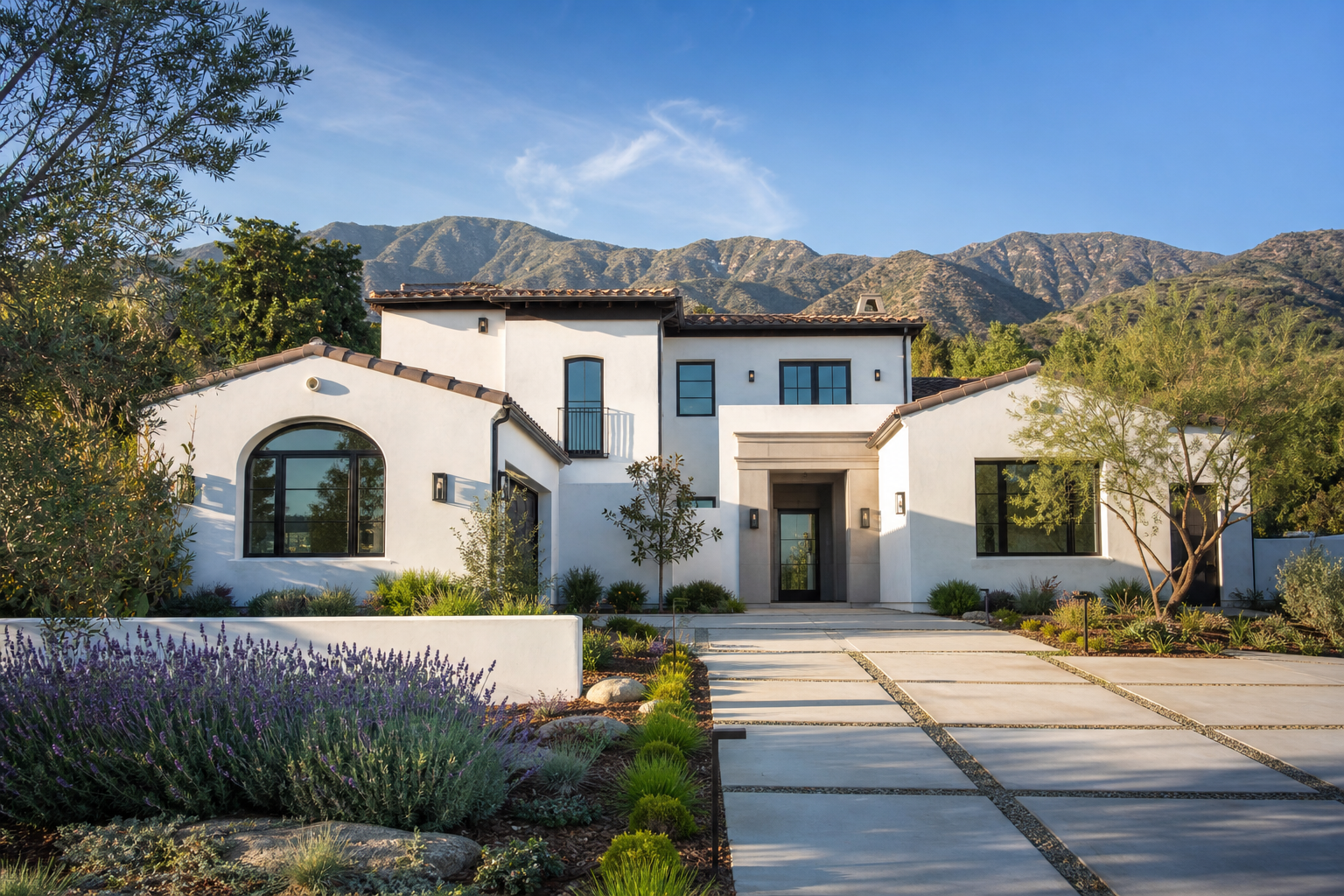
What should I know before buying a new construction home in Pasadena?
New construction homes in Pasadena and the broader San Gabriel Valley offer modern floor plans, energy-efficient systems, and builder warranties that resale homes rarely match. But the process is fundamentally different from a standard purchase: builder contracts favor the builder, upgrade costs add up fast, and you need independent representation to protect your interests. Understanding how new construction works before you walk into a sales office is the difference between a great deal and an expensive lesson.
The State of New Construction in Pasadena and the San Gabriel Valley
Pasadena is a built-out city. That reality shapes everything about new construction here. You won't find sprawling master-planned communities the way you might in the Inland Empire or the Antelope Valley. What you will find is a mix of infill development, small-lot subdivisions, townhome communities, and the occasional mixed-use project that includes for-sale residential units.
That scarcity matters. According to the California Department of Housing and Community Development, the Los Angeles region faces one of the most severe housing shortfalls in the state, and Pasadena's 6th Cycle Housing Element identifies specific opportunity sites across the city to meet its Regional Housing Needs Allocation (RHNA) obligations. That pipeline is real, but it translates slowly into finished homes for sale.
The U.S. Census Bureau's New Residential Construction data consistently shows California among the lowest-permit-per-capita states in the nation. In Los Angeles County, new single-family permits remain constrained by land costs, entitlement timelines, and construction costs that have climbed sharply since 2021. For buyers in Pasadena, that means new inventory is genuinely rare and tends to move quickly when it does appear.
I work with buyers across the San Gabriel Valley, and the conversations I have about new construction almost always start the same way: someone toured a sales office on a weekend, loved the model home, and is now wondering if they made a mistake by not signing something on the spot. The short answer is no, you didn't make a mistake. The longer answer is below.
What types of new construction are available in Pasadena?
Because infill lots are the primary development opportunity in Pasadena, most new construction falls into a few categories:
- Small-lot single-family homes: Detached homes on compact lots, often clustered in groups of four to twelve. These appeal to buyers who want a single-family feel without the lot maintenance of older Pasadena homes.
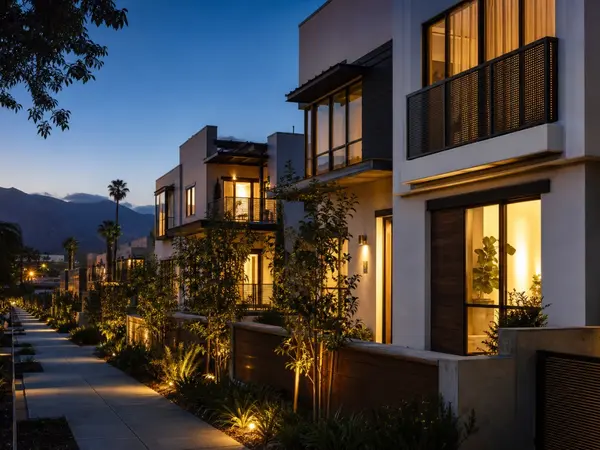
- Townhomes and attached new construction: Two- and three-story attached units, often with rooftop decks or private yards. Common in areas near the 210 corridor and Old Pasadena-adjacent neighborhoods.
- Mixed-use residential: Ground-floor retail or commercial with condominiums or apartments above. Some of these units are sold as for-purchase condos, particularly in transit-adjacent locations near the Metro A Line.
- Custom and semi-custom builds: Buyers who own or acquire a lot and contract directly with a builder. This is a separate process entirely and involves more complexity than a builder community purchase.
The City of Pasadena Planning Department publishes active permit and project information that can help you track what's in the pipeline before homes are publicly marketed.
Pasadena new construction: a snapshot
| Construction Type | Typical Availability | Key Buyer Consideration |
|---|---|---|
| Small-lot detached SFR | Limited; infill-driven | HOA fees common; narrow lots |
| New townhomes | Moderate; most common new product | Multi-story layouts; HOA required |
| Mixed-use condos | Periodic; project-dependent | Warrantability for financing varies |
| Custom/semi-custom builds | Lot-dependent; ongoing | Construction loan required; longer timeline |
What Buyers Get Right (and Wrong) About New Construction
Here's what I tell every buyer who's excited about a new build: the model home is not what you're buying. The model home is the builder's best marketing tool. Every upgrade, every finish, every piece of furniture is chosen to make you feel like you've already arrived. The base price gets you something that looks quite different.
The upgrade conversation
Builder upgrades are a significant revenue source. Flooring, countertops, cabinetry finishes, appliance packages, smart home systems, these are presented as optional, but the base finishes are often deliberately underwhelming so that the upgrades feel necessary. I've walked clients through design center appointments where the upgrade total approached six figures on a townhome purchase. That's not unusual.
The important thing to know: upgrades rarely add dollar-for-dollar resale value. You're paying retail for finishes that the market may value differently when you eventually sell. Some upgrades are worth it for your own enjoyment; others are better done after closing through a third-party contractor at a lower cost. Knowing which is which requires experience with how the local resale market prices those features.
Builder contracts are not standard California purchase agreements
This is where buyers get into trouble. When you buy a resale home in California, you're typically using the California Association of REALTORS® Residential Purchase Agreement, a heavily negotiated, buyer-protective form. Builder contracts are written by the builder's attorneys. They are not neutral documents.
Common builder contract provisions that buyers miss:
- Mandatory arbitration clauses that limit your legal options if something goes wrong
- Liquidated damages provisions that specify what the builder keeps if you cancel
- Right to modify the project, the builder may reserve the right to change finishes, unit layouts, or community amenities before closing
- Preferred lender incentives that come with strings attached (more on this below)
- Limited contingency windows that are shorter than what you'd have in a resale transaction
California's Civil Code Section 895 (SB 800) does provide statutory warranty protections for new residential construction, covering structural defects, water intrusion, and other construction deficiencies. But those protections only help you after something goes wrong. The contract terms govern what happens during the transaction itself.
The preferred lender question
Most builders offer closing cost incentives or upgrade credits if you use their preferred lender. This can be a genuinely good deal, or it can be a way to recapture margin through a higher interest rate. The Consumer Financial Protection Bureau's homebuying resources consistently emphasize shopping multiple lenders. My advice: get a competing quote from an independent lender before accepting the builder's incentive at face value. Sometimes the builder's rate is competitive. Sometimes the incentive doesn't cover the rate differential over a 30-year loan. You need the comparison to know.
Independent inspections still matter
New construction is not automatically defect-free. I've seen clients skip the inspection because "it's brand new," and I've seen those same clients discover issues after closing that would have been caught during a pre-drywall or final walkthrough inspection. California's Bureau of Real Estate Appraisers and related DCA resources support the use of independent inspectors on all transactions, including new construction. Budget for at least a pre-drywall inspection and a final walkthrough inspection by an inspector you hire independently.
How to Compete for New Construction in a Tight Market
In a market where new inventory is genuinely scarce, the buyers who succeed are the ones who are prepared before a project opens. That means financing is sorted, you understand what you're willing to pay for upgrades, and you have representation in place.
Get pre-approved before you tour
Builder sales agents will ask about financing immediately. A pre-approval letter from a recognized lender signals that you're a serious buyer. If you're not sure how to get there, the process in Southern California has some specific nuances worth understanding. I've written about how to get pre-approved in SoCal's competitive market in detail.
Bring your own agent, it costs you nothing
This is the most important thing I can tell you: the builder's sales agent represents the builder, not you. They are skilled, often friendly, and genuinely helpful with project-specific questions. But their fiduciary duty runs to their employer. Having your own buyer's agent costs you nothing, builders typically compensate buyer's agents separately, and that arrangement is disclosed in the builder's agreements. What you get is someone reviewing the contract on your side, flagging upgrade traps, negotiating on your behalf, and making sure the transaction closes correctly.
After the 2024 NAR settlement, buyer-agent compensation is fully negotiable and not set by law, there is no standard or fixed rate. How a buyer's agent is compensated in a new construction transaction is something to discuss directly with your agent before touring. What matters is that you have representation in place before you sign anything.
Understand the timeline before you commit
New construction timelines in California routinely extend beyond initial estimates. Permitting delays, material lead times, labor availability, and weather all affect the schedule. If you're in a lease with a fixed end date, or if you're selling a current home to fund the purchase, the timeline uncertainty is a real risk to manage. According to the National Association of Home Builders, construction cycle times have remained elevated compared to pre-pandemic norms, particularly in high-cost coastal markets. Plan for a longer timeline than the sales office projects.
If you're also selling a current home to move into a new build, that sequencing requires careful planning. I work with move-up buyers on this regularly, the goal is to avoid being caught with two mortgages or no place to live between transactions. You can read more about the broader Pasadena buying process in The Honest Guide to Buying a Home in Pasadena.
For a current read on where the overall Pasadena market stands heading into late 2026, I'd also point you to Behind the Numbers: The Real Economics of the Mid-2026 Pasadena Real Estate Market.
Frequently Asked Questions
Is new construction more expensive than resale homes in Pasadena?
Generally, yes. New construction in Pasadena commands a premium over comparable resale homes because buyers are paying for modern systems, builder warranties, and the ability to customize finishes. That said, the total cost depends heavily on which upgrades you choose and whether the builder is offering incentives at the time you purchase. In a market where resale inventory is also tight, the gap can narrow, but new construction rarely trades at a discount to resale in this market.
Do I need a buyer's agent to buy a new construction home in Pasadena?
You're not legally required to have one, but it's strongly in your interest. The builder's on-site sales agent represents the builder. Your own buyer's agent reviews the contract from your perspective, flags unfavorable terms, helps you evaluate upgrade pricing, and can negotiate on your behalf. Builder compensation for buyer's agents is a negotiable arrangement disclosed in the builder's agreements, discuss it with your agent before your first visit to the sales office.
What warranties come with a new construction home in California?
California's Civil Code Section 895 (commonly called SB 800) provides statutory warranty protections for new residential construction, covering issues like structural defects, water intrusion, and other construction deficiencies for defined warranty periods. Builders may also offer additional express warranties on systems and appliances. Review the warranty documents carefully before signing, what's covered, for how long, and what the claims process looks like all vary by builder.
Can I negotiate the price on a new construction home?
Builders negotiate differently than individual sellers. They rarely discount the base price publicly because it affects the comparables for the rest of the community. What they will negotiate, depending on market conditions and where they are in the sales cycle, includes upgrade credits, closing cost contributions, rate buydowns through their preferred lender, or lot premiums. If a project is in its final phase with remaining units, there may be more flexibility. Your buyer's agent will know what's realistic given current conditions.
How long does it take to close on a new construction home in Pasadena?
For a home that's already built or nearly complete, the timeline can be 30 to 60 days from contract to close, similar to a resale transaction. For a home that hasn't broken ground yet, you could be looking at 12 to 18 months or longer, depending on where the project is in the permitting and construction cycle. Always get a written schedule estimate and build contingency planning into your housing transition, especially if you're selling a current home or managing a lease expiration.
New construction in Pasadena is a real opportunity, but it rewards buyers who come prepared. The contract terms, the upgrade economics, and the financing dynamics are all different from what you'd encounter in a resale purchase, and having the right guidance before you sign anything makes a measurable difference in the outcome.
If you're exploring new construction in Pasadena or anywhere in the San Gabriel Valley, I'm happy to walk you through what's currently available, review builder contracts with you, and make sure you're represented from the first conversation. Schedule a consultation and let's talk through your specific situation.
Equal Housing Opportunity. Eddy Chen is a Broker Associate with REAL Brokerage. This article is provided for general informational purposes only and does not constitute legal, tax, or financial advice. Commission and compensation arrangements are fully negotiable and not set by law. Readers should confirm their own transaction costs, contract terms, and financing details with their attorney, tax advisor, lender, or escrow officer.
Categories
Recent Posts