
The Honest Guide to Buying a Home in Pasadena, California
What Makes Pasadena Its Own Market
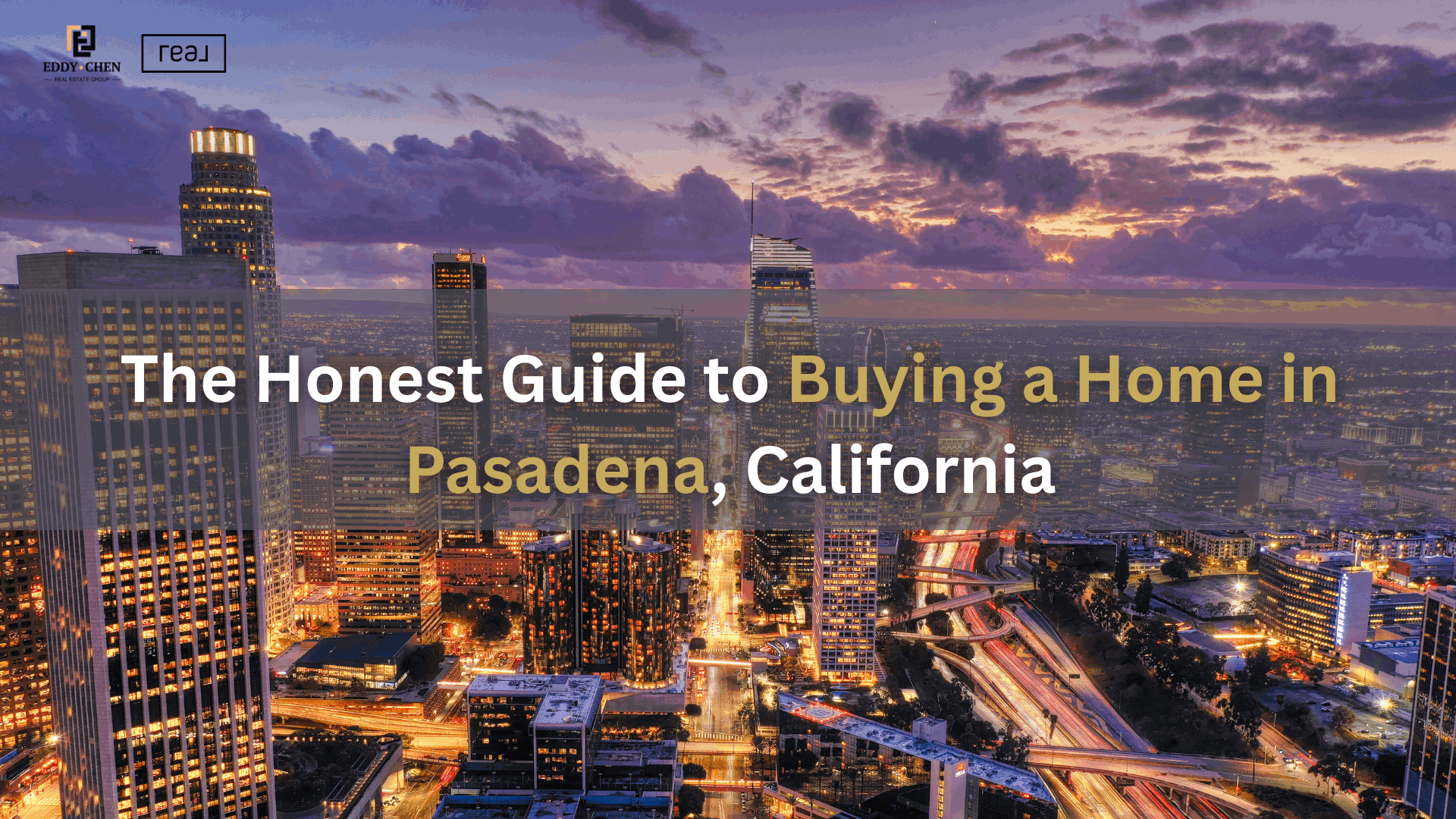
Pasadena sits at the western edge of the San Gabriel Valley, but it operates as its own distinct real estate market — one with a character, a buyer profile, and a pricing dynamic that differs meaningfully from the cities immediately to its east.
Where Arcadia and San Marino draw heavily on an international buyer base and position school district access as the primary value driver, Pasadena draws a broader mix: buyers attracted to architectural character, cultural amenities, urban walkability, and proximity to Caltech, JPL, Huntington Hospital, and the broader Pasadena employment base. The city has its own identity — one that has been built over more than a century — and that identity is reflected in both the housing stock and the buyer demand.
I've worked in Pasadena and the broader SGV market for over twenty years. Here is what buyers who are serious about Pasadena actually need to know.
The Price Landscape in Pasadena
Pasadena's pricing is stratified by neighborhood, architectural character, and condition in ways that make broad city-level averages less useful than in more uniform markets.
Entry-level Pasadena ($850,000–$1,200,000): Smaller homes in established neighborhoods south of the 210, condos and townhomes near transit corridors, and properties that need meaningful updating. This is where first-time buyers and buyers moving up from the eastern SGV typically enter the market.
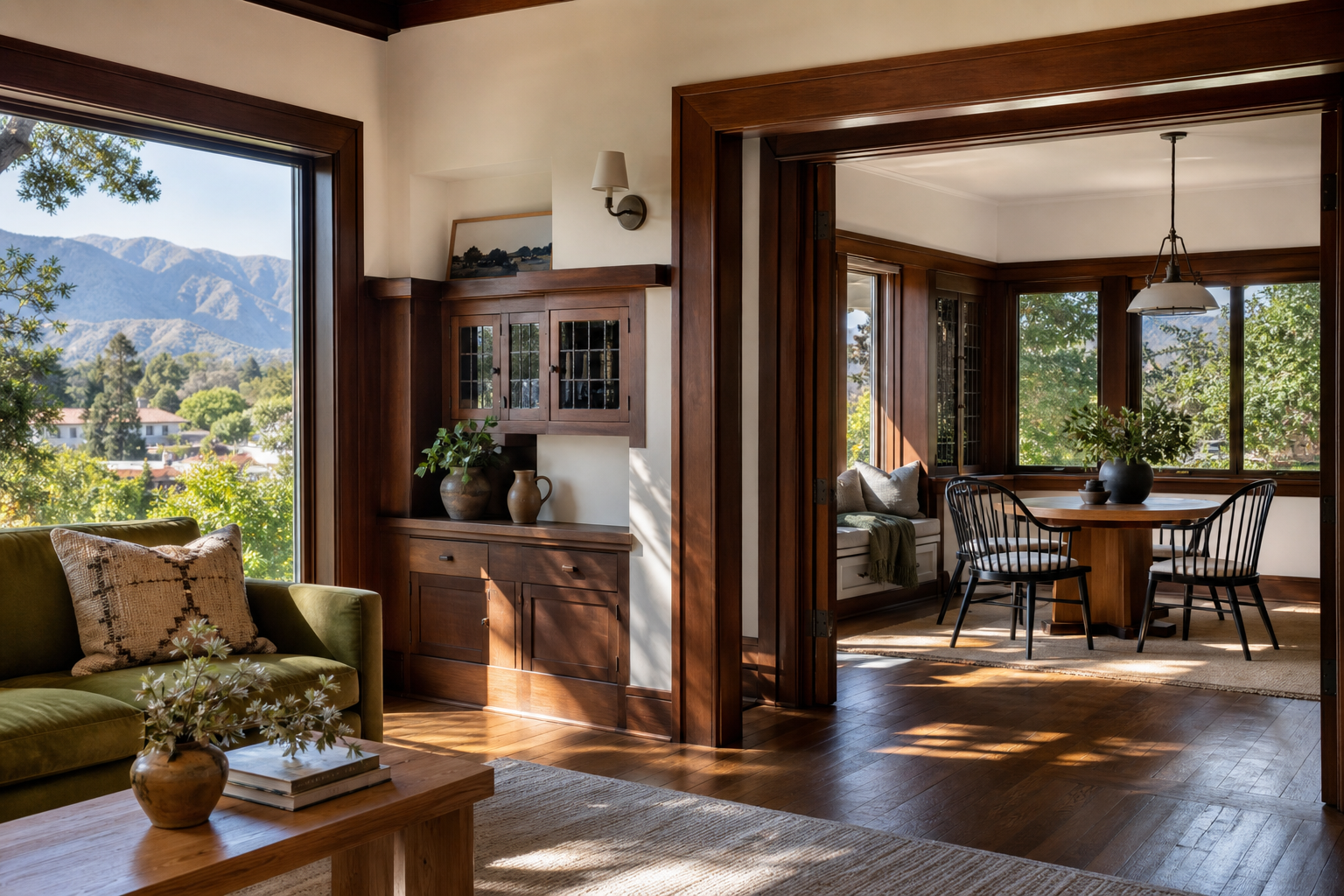
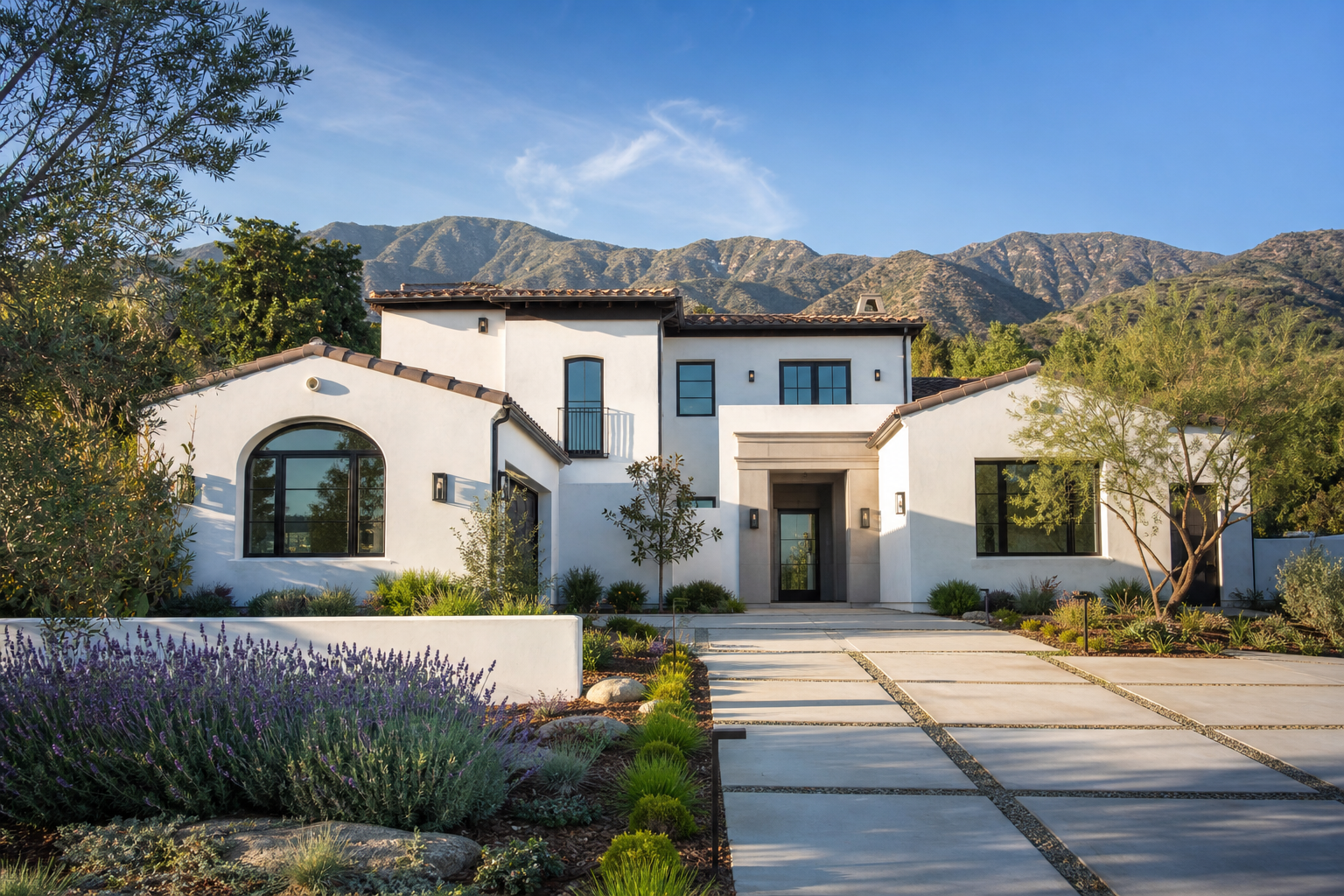
Mid-range Pasadena ($1,200,000–$2,000,000): The core of the market. Well-maintained Craftsman bungalows, Spanish Colonial Revival homes, and mid-century properties in neighborhoods like Madison Heights, Bungalow Heaven, and the areas near Caltech. Updated condition, established neighborhoods, real character.
Upper-tier Pasadena ($2,000,000–$4,000,000+): Larger homes in neighborhoods like San Rafael, Linda Vista, and the Arroyo Seco corridor. Architecturally significant properties, estate lots, and newer construction where land has allowed it. These properties compete with San Marino and upper Arcadia for the same buyer segment.
Altadena adjacency: Altadena — an unincorporated LA County community that borders Pasadena to the north — has historically offered similar neighborhood character at somewhat lower prices. Buyers should be aware that the January 2025 Eaton Fire caused significant damage in portions of Altadena. Any buyer considering this area should conduct thorough current due diligence on specific properties and neighborhoods.
Pasadena's Neighborhoods: What Each Area Actually Offers
Bungalow Heaven and Madison Heights
These two neighborhoods — both in central Pasadena — contain some of the highest concentrations of authentic early 20th century Craftsman bungalows in Southern California. Bungalow Heaven was one of the first neighborhoods in California to receive local landmark district designation, which means exterior modifications to homes within the district require review under preservation guidelines.
Buyers who love architectural authenticity and neighborhood identity find these areas deeply compelling. Buyers who want to renovate extensively — changing rooflines, replacing original windows, altering exterior finishes — find the landmark designation constraining. Know which you are before you fall in love with a property here.
San Rafael and Linda Vista
Hillside neighborhoods on the western edge of Pasadena, near the Arroyo Seco parkway and the Rose Bowl. Larger lots, canyon-adjacent properties, and some of Pasadena's most distinctive estate homes. The Rose Bowl and Brookside Golf Course are neighborhood amenities that residents use regularly. These are among the more expensive residential addresses in the city.
The Caltech and South Lake Corridor
Neighborhoods near Caltech and the South Lake Avenue shopping district attract a professional and academic buyer profile. The Metro A Line's Del Mar and Memorial Park stations provide transit access to Pasadena's core and to downtown Los Angeles. Property types here include both single-family homes and a meaningful condo and townhome inventory.
East Pasadena and Hastings Ranch
The eastern portions of the city — particularly Hastings Ranch — offer larger lots and a more suburban character than central Pasadena at somewhat more accessible price points. The trade-off is less walkability and less of the architectural character that draws buyers to the city's historic core.
Old Town Pasadena proximity
Old Town Pasadena — Colorado Boulevard and the surrounding blocks — is one of the SGV's most active dining, shopping, and entertainment corridors. Buyers who want to walk to restaurants, coffee shops, and weekend markets prize proximity to Old Town in a way that's distinctive to Pasadena's market. It's a genuine lifestyle differentiator.
Pasadena Unified School District: The Real Picture
PUSD is one of the most discussed — and most nuanced — school districts in the SGV. Buyers making decisions based on Pasadena's schools need to understand the full picture rather than relying on a single rating or ranking.
PUSD serves a large and diverse student population across a wide geographic area. Overall district metrics — when averaged across all schools — don't tell the complete story. Individual school performance varies significantly within the district.
The magnet school system is Pasadena's most important school feature for families who engage with it strategically. PUSD operates IB programs, arts magnets, STEM-focused programs, and other specialized pathways through a lottery-based enrollment process. Families who research these programs, apply early, and engage with the process have access to strong options.
Pasadena also has an unusually rich private and independent school ecosystem. Polytechnic School, Westridge School for Girls, Chandler School, and Mayfield Senior School are among the well-regarded private institutions that draw families who prefer independent school education. This ecosystem is itself a quality-of-life amenity.
For buyers for whom school quality is the primary driver: Pasadena's school landscape rewards research and active family engagement more than it rewards simply buying an address within district boundaries. Understand the specific options available before making a school-driven decision.
Historic Designation: What Buyers Must Know Before They Fall in Love
Pasadena has one of the most active historic preservation environments in Southern California. A significant portion of the city's most desirable housing stock carries some form of historic designation — either as part of a local landmark district (like Bungalow Heaven), as individually designated landmarks, or as contributing structures in national register districts.
Historic designation affects what you can do with a property as an owner. The specific restrictions vary depending on the type and level of designation, but in general:
Exterior modifications — repainting in a non-historically appropriate color, replacing original windows with modern ones, altering the roofline, adding non-period-appropriate elements — may require review and approval from the city's Historic Preservation Commission.
Interior modifications are generally not regulated by historic designation, though landmark status can affect what lenders and insurers are willing to do with the property.
If you're purchasing a designated property with plans for significant renovation, understand the specific applicable restrictions before you close — not after. A conversation with a local architect or preservation consultant before removing contingencies on any designated property is worthwhile.
Fire Risk and Insurance: A Critical Consideration for Pasadena Buyers
Portions of Pasadena — particularly hillside and foothill-adjacent areas — carry elevated wildfire risk. The January 2025 Eaton Fire, which caused significant damage in parts of Altadena and adjacent areas, has brought this issue into sharp focus.
For any Pasadena property you're seriously considering:
Verify the Fire Hazard Severity Zone designation. California has three zones — Moderate, High, and Very High. Properties in the Very High Fire Hazard Severity Zone face the most significant insurance challenges.
Confirm homeowners insurance availability and cost before removing contingencies. California's insurance market has contracted significantly in recent years. Major carriers have reduced their exposure in the state, and properties in fire-risk areas may have limited options or face significantly elevated premiums. The California FAIR Plan — the insurer of last resort — is available but provides more limited coverage at higher cost than the standard market.
Don't assume insurance is available just because a prior owner had it. Carriers reassess risk continuously, and a property that was insurable two years ago may face different conditions today.
What Buyers Compete Against in Pasadena
Pasadena's buyer pool is different from Arcadia's or San Marino's. The international buyer segment is present but smaller. The domestic buyer pool is larger and more diverse — academics, healthcare professionals, entertainment industry workers, tech employees who work along the 134 and 210 corridors, and buyers relocating from the Westside who are trading ocean proximity for space and schools.
This broader domestic buyer pool means Pasadena properties compete across a wider range of preferences. A Craftsman bungalow in Bungalow Heaven competes for buyers who genuinely love that architectural style — and it will be passed over by buyers who prefer newer construction, regardless of price. A newer home near Caltech competes on convenience and condition rather than historical character.
Understanding which buyer your home appeals to most — and marketing directly to that buyer — is one of the most important jobs a Pasadena listing agent does.
FAQ
Is Pasadena part of the San Gabriel Valley?
Geographically, Pasadena sits at the western edge of the San Gabriel Valley. It functions as its own distinct market with its own character, buyer profile, and pricing dynamics, but it is part of the broader SGV real estate landscape.
How do Pasadena home prices compare to Arcadia?
Pasadena and Arcadia have overlapping price ranges, particularly in the $1.2–$2.5 million segment. Pasadena's architectural character and cultural amenities drive premiums in specific neighborhoods. Arcadia's school district and international buyer demand drive premiums in its top areas. Both are strong markets with distinct value propositions.
Are Pasadena's schools good?
PUSD's overall performance is more variable than Arcadia Unified or San Marino Unified. However, Pasadena's magnet school programs and private school ecosystem provide strong options for families who engage with them proactively. School quality research is particularly important for Pasadena buyers.
Is Pasadena at risk for wildfires?
Parts of Pasadena — particularly hillside and foothill-adjacent areas — carry elevated fire risk. The 2025 Eaton Fire increased awareness and concern around this issue. Verifying fire hazard zone designation and confirming insurance availability before purchase is essential for any Pasadena property.
What is special about Craftsman homes in Pasadena?
Pasadena has one of the highest concentrations of authentic early 20th century Craftsman bungalows in California. These homes carry architectural and cultural significance that commands premiums with buyers who value historic character. Historic designation on some of these properties regulates exterior modifications.
How far is Pasadena from downtown Los Angeles?
Approximately 11 miles by freeway — typically 25–45 minutes depending on time of day. The Metro A Line provides rail access to downtown LA from several Pasadena stations.
If you're buying or selling in Pasadena, Arcadia, San Marino, or anywhere in the San Gabriel Valley, I'm happy to share what the current market looks like and help you think through your options.
Categories
Recent Posts