
Why Some SGV Homes Sell Over Asking — And Others Don't Sell at All
The Question Every SGV Seller Is Asking
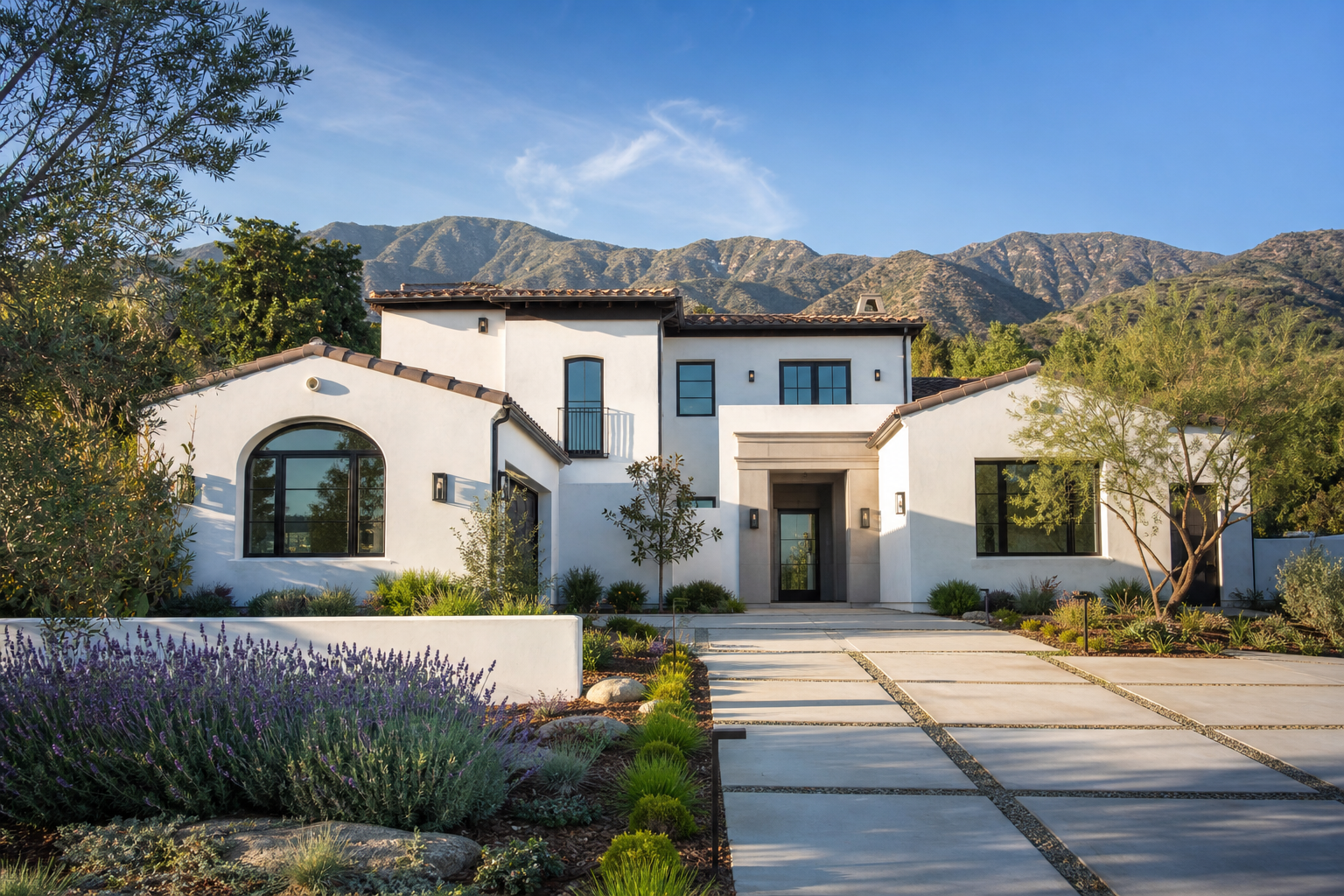
Two homes on the same block in Arcadia. Similar square footage. Both single-family, both in AUSD boundaries. Both listed in the same month.
One generates five offers in the first week and closes $80,000 above list price. The other sits for 47 days, reduces its price twice, and eventually sells $30,000 below the original asking price.
What happened?
After over two decades of listing, selling, and watching the SGV market closely, I can tell you that the gap between those two outcomes almost never comes down to luck. It comes down to a small number of variables that are within the seller's control — and a few that aren't.
The Variables That Drive Multiple Offers
Pricing is the foundation. Everything else builds on this. A home priced at the right level — not the highest defensible price, not what the seller hopes to net, but the number that accurately reflects current market value — creates a specific dynamic: multiple buyers competing simultaneously for the same property.
That competition is what drives prices above list. You cannot manufacture a bidding war on an overpriced home. Buyers who are tracking the market know what things are worth. They don't compete aggressively for homes they perceive as overpriced.
The counterintuitive truth: pricing a home at or even slightly below a clear market value threshold often produces a higher final sale price than pricing above it. Buyers are drawn to value. A home that looks like a fair deal gets shown. A home that gets shown gets offers. Offers create competition. Competition creates price escalation.
I've seen this play out dozens of times in Arcadia and Temple City specifically — two markets where the price thresholds matter and where buyers who have been watching for months recognize a well-priced home when they see one.
Presentation wins the showing. Price gets buyers through the door. Presentation determines whether they write a check.
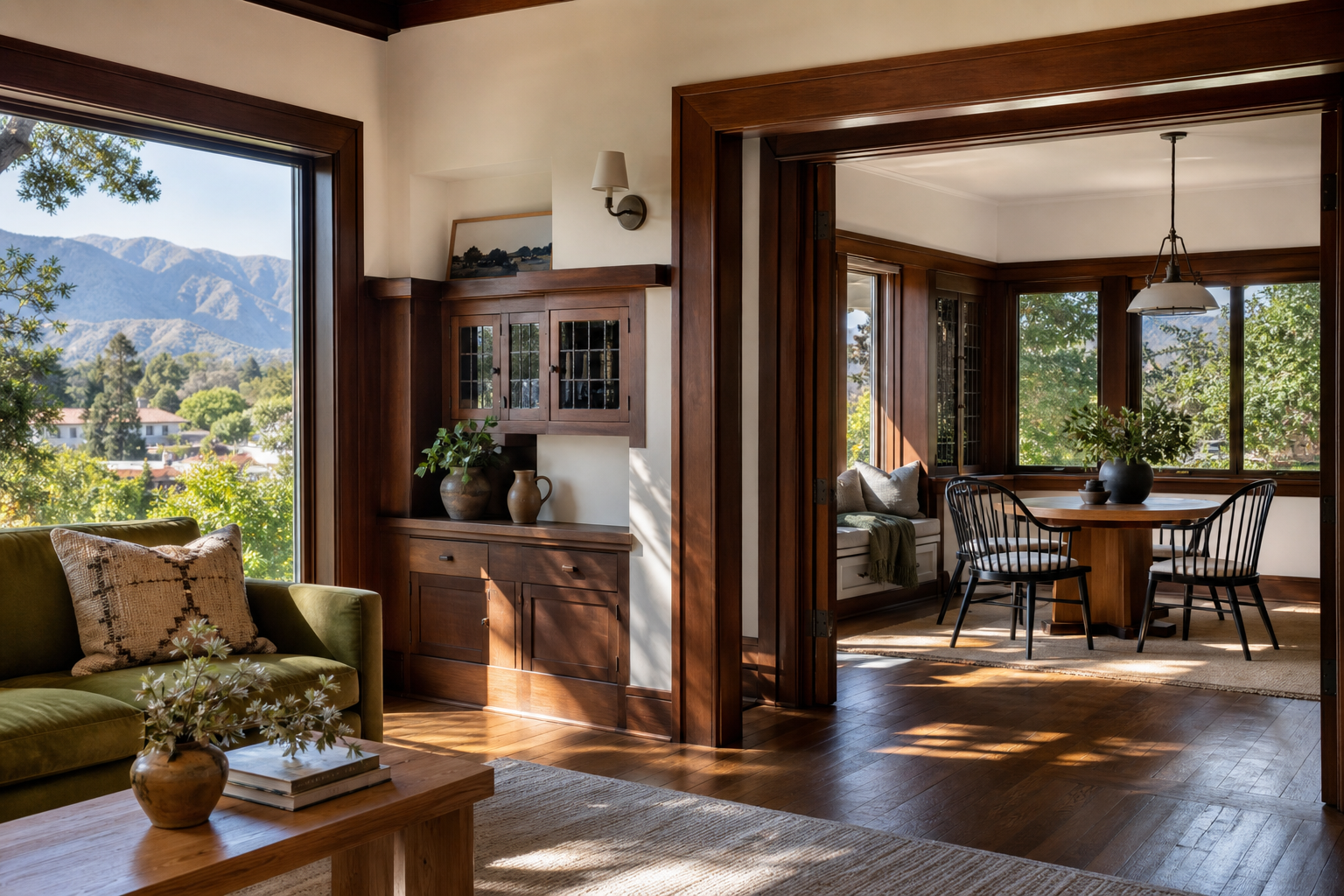
In the SGV's mid-to-upper price ranges, buyers have typically seen multiple homes before they walk into yours. They have reference points. They know what $1.6 million looks like in this market. When they walk into a home that shows significantly better than what they've been seeing — professional staging that makes the space feel clean and aspirational, professional photography that captured the right light and angles, a home that smells and feels genuinely cared for — the emotional response is immediate.
That emotional response is what converts a showing into an offer. And when multiple buyers have the same response on the same weekend, you get a competitive situation.
Timing the listing correctly. The SGV has a seasonal rhythm. Spring — March through early May — is when the largest pool of motivated buyers is active. Families who want to close before the school year, buyers who have been waiting through the slower winter months, and the general psychological effect of longer days and better weather all contribute to peak buyer activity.
A home that hits the market on a Thursday in early April, with all preparation complete and professional photography ready, has a full weekend of showings ahead of it. A home that lists on a Tuesday in late July has a different buyer pool.
In cities with significant international buyer populations — Arcadia, San Marino, San Gabriel — understanding the cultural calendar matters too. Listing immediately before a major Chinese holiday when a portion of your buyer pool may be traveling creates unnecessary headwinds.
Active pre-market exposure. One of the advantages of working with an agent who has strong relationships in the SGV is the ability to generate interest before a home goes live on the MLS. Reaching out to active buyer agents, alerting buyers in your database who have been looking in this area, and creating early awareness of an upcoming listing can mean that motivated buyers are ready to schedule showings on day one — rather than discovering the home on day five.
This isn't about withholding information or artificial scarcity. It's about making sure that when your home hits the market, the right people already know about it.
What Creates Buyer Urgency
Even in a market with genuine demand, buyers don't always move quickly. Hesitation — "let me think about it," "let's come back for a second showing," "let me see what else comes up" — is the enemy of a competitive offer situation.
A few things reliably create urgency:
A well-established offer deadline. When a listing goes live and the agent communicates to all interested buyers that offers are being reviewed on a specific date, buyers who are serious need to decide. The deadline is real. If they want the home, they have to act.
Visible showing activity. Buyers who see other cars in the driveway during a showing, who hear from their agent that five other groups have been through, or who know that an open house is generating strong foot traffic feel the competitive dynamic viscerally. That feeling motivates action.
A home that shows as if someone could move in tomorrow. The easier you make it for a buyer to picture themselves living there — because the home is clean, staged thoughtfully, and feels genuinely move-in ready — the more likely they are to write an offer quickly rather than waiting to see what else comes up.
What Kills the Competitive Dynamic
Overpricing. I'll keep saying this because it remains the single most common reason SGV homes don't sell competitively. An overpriced home doesn't generate the showing volume needed to create a competitive situation. Buyers show up, compare against comps, decide it's priced too high, and move on.
Poor photography. In a market where buyers start their search online, your listing photos are the first showing. Listings with dark, poorly composed, or obviously amateur photos generate fewer showing requests than identical homes with professional photography. Fewer showings mean fewer offers.
Difficult showing logistics. A seller who is difficult to reach for showing approvals, who restricts showings to narrow windows, or who insists on being present during showings suppresses buyer traffic. Every barrier between a buyer and the ability to tour your home reduces the odds of a competitive offer situation.
Disclosure issues that come out during showings. If buyers walk through your home and see something that raises questions — visible water damage, an obvious structural concern, evidence of unpermitted work — they leave with uncertainty. Uncertainty kills offers. Addressing known issues before listing, or disclosing them transparently with accurate information, removes that barrier.
A listing that goes stale. A home that generates early showing activity but no offers in the first two weeks sends a signal that something is wrong. Buyers who weren't interested the first time around don't typically become interested the second or third time. If the first wave passes without an offer, the diagnosis needs to be quick and the response decisive.
What the Homes That Sell Over Asking Have in Common
After watching hundreds of SGV transactions, the pattern is consistent.
They were priced correctly from day one — not low, but at a level the market recognized as fair and competitive.
They were presented in genuinely excellent condition — not perfect, but clean, staged, and photographed professionally.
They were listed at the right time with a clear marketing plan and an offer review process that created competitive urgency.
And they were listed by sellers who trusted their agent's guidance on pricing and presentation rather than anchoring to a number from an automated valuation or an optimistic neighbor's claim.
The formula isn't complicated. The execution is what separates the outcomes.
FAQ
Can I really price low and get more?
In many cases, yes — when done correctly. Pricing at or slightly below clear market value generates more buyer attention and more competitive offers, often producing a final sale price above the conservative starting point. This is not a guarantee, and it requires confidence in the pricing analysis. It's a strategy, not a trick.
What if I need a specific amount from the sale?
Your financial needs are real, but they don't create market value. The right approach is to understand what your home will realistically sell for in today's market, calculate your net proceeds from that figure, and make financial decisions accordingly. Pricing above market value to meet a personal number rarely produces the intended result.
How many offers is a competitive situation?
Even two strong offers create meaningful competition. Three or more offers on a well-priced home typically produce a final price above list. The specific number matters less than the structure of the offer review process and how competitive urgency is managed.
Does staging really produce a higher sale price?
The data consistently shows that staged homes sell faster and at higher prices than comparable unstaged homes. In the SGV's mid-to-upper price ranges — where buyers are comparing multiple well-presented homes — staging is a baseline expectation, not a luxury.
If you're preparing to sell in Arcadia, San Marino, Temple City, Pasadena, Walnut, or anywhere in the SGV, I'm happy to walk through a pricing and presentation strategy that's built around your specific home and the current market.
Categories
Recent Posts