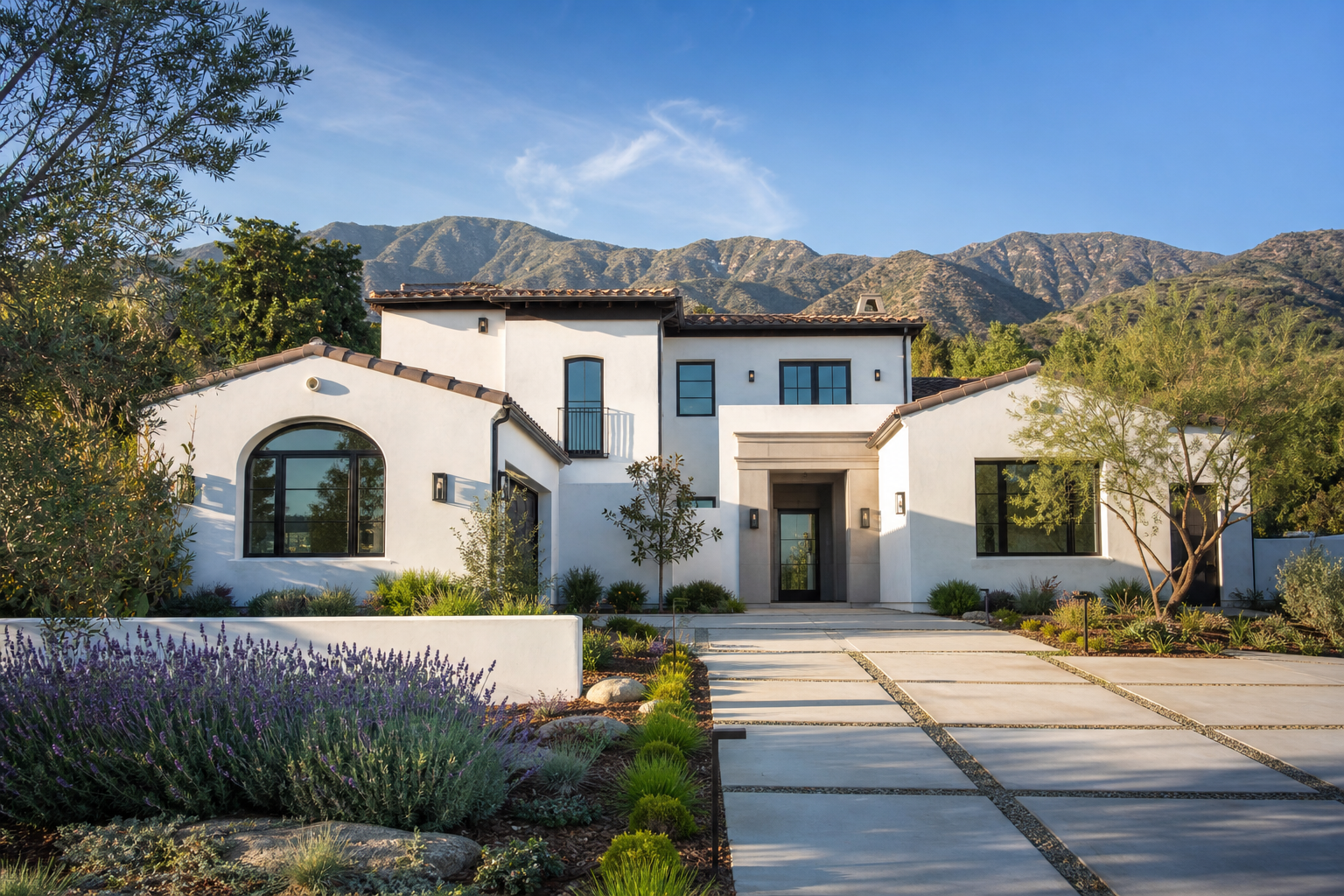

The Southern California Housing Market in 2026: What Buyers and Sellers Both Need to Know Right Now
Southern California Market Trends: What’s Happening in 2026?

The Southern California real estate market in 2026 is not the frenzied, anything-goes market of 2021 and 2022. But it's also not the buyer's paradise some people were hoping for when interest rates started climbing.
What it is — and this is important — is a market that rewards people who understand what's actually happening. Buyers who know the landscape make smarter offers and win more homes. Sellers who understand the current dynamics price correctly and sell faster at better prices.
What follows is a straight-talk breakdown of where the SoCal market stands today, what's driving it, and what it means for you depending on which side of the transaction you're on.
The Big Picture: Where SoCal Stands Right Now
Southern California's housing market has settled into a state that real estate economists call a "high-rate, low-inventory equilibrium." Here's what that means in plain language.
Prices have held. Despite significantly higher mortgage rates compared to the historic lows of 2020–2021, home prices across most of Southern California have not collapsed. They softened in some areas in 2023, stabilized in 2024, and have been holding steady to slightly appreciating across much of the region heading into mid-2025. The structural reason is simple: there are still more people who want to buy homes in SoCal than there are homes available.
Inventory remains constrained. One of the defining features of the current market is the "lock-in effect." Homeowners who refinanced at 2.5%–3.5% interest rates during the pandemic era have very little financial incentive to sell and take on a new mortgage at today's rates. This is keeping resale inventory dramatically lower than historical norms, which is putting a floor under prices even as affordability has been stretched by higher rates.
Sales volume has slowed. While prices have held, the number of transactions happening in SoCal is meaningfully below the peaks of 2021–2022. Buyers are more cautious. Sellers who don't need to move aren't moving. The market is less frenetic — but it is not inactive, particularly in well-located, well-priced properties.
Interest rates are the dominant variable. Everything in today's market flows from the rate environment. As of mid-2026, 30-year fixed mortgage rates have been fluctuating in a range that makes monthly payments significantly higher than they were three years ago. This has impacted buyer purchasing power materially — meaning the same buyer who could have afforded a $900,000 home in 2021 may only qualify for $650,000–$700,000 today.
What's Driving the Market — County by County
Southern California is not one market. It's dozens of micro-markets, and conditions vary meaningfully depending on where you're looking.
Los Angeles County
LA County remains the most complex and diverse market in the region. The coastal cities — Santa Monica, Pacific Palisades, Manhattan Beach — have held their values firmly, supported by wealth concentration that makes them less rate-sensitive than the broader market. Inland communities and the San Fernando Valley have seen more price sensitivity, particularly in the entry-level and mid-range segments. The ongoing rebuilding and recovery work following the January 2025 wildfires in Pacific Palisades and Altadena continues to shape that specific sub-market in ways that will play out over years.
Orange County
Orange County's market has remained one of the stronger performers in SoCal. Demand continues to outpace supply in cities like Irvine, Huntington Beach, and the South County communities. Luxury and move-up properties have been particularly active. The county's strong job market — anchored by tech, healthcare, and finance — supports buyer demand even at higher rate levels.
San Diego County
San Diego has been one of the most resilient markets in the country over the past several years, and that trend has continued into 2025. Population growth, military-related demand, biotech sector employment, and consistently limited inventory have kept prices elevated. North County coastal areas remain intensely competitive. More affordable inland markets — Chula Vista, El Cajon, Santee — are seeing strong demand from buyers priced out of the coast.
Inland Empire (Riverside and San Bernardino Counties)
The Inland Empire experienced significant appreciation during the pandemic as remote workers sought larger homes at lower prices. The market has since cooled from its peak — corrections were more pronounced here than on the coast — but it has also stabilized, and affordability relative to coastal SoCal continues to drive demand from first-time buyers and families seeking space.
What This Market Means If You're a Buyer
The opportunity is real — but so is the competition on good homes
The slower overall pace of transactions has created a misconception among some buyers: that the market is "soft" across the board and that aggressive low-ball offers will succeed. This is not accurate. Well-located, well-priced, move-in-ready homes in desirable SoCal neighborhoods are still moving fast and still drawing multiple offers. The market is selective — it punishes overpriced homes and rewards correctly priced ones. Know the difference before you make an offer.
Rate sensitivity cuts both ways
Higher rates have reduced your purchasing power compared to a few years ago. That's a real constraint. But they've also reduced competition from buyers who have been priced out or have stepped to the sidelines. In some price ranges and some neighborhoods, you are competing against fewer buyers than you would have been in 2021. That's a genuine opportunity for buyers who are ready to move.
Think about rate strategy, not just home price
Many buyers in today's market are buying with a clear intention to refinance when rates come down. This strategy — sometimes summarized as "date the rate, marry the house" — makes sense in certain situations, but it requires honest assessment. Make sure you can genuinely afford the payment at today's rate before counting on future refinancing to make the numbers work. Don't buy beyond your means on an assumption about what rates will do.
Negotiate on terms, not just price
In today's market, sellers who are motivated are often open to concessions that were unheard of in 2021 — things like seller credits toward closing costs or rate buydowns, repair credits after inspection, and flexible close timelines. In some cases, a seller credit that buys down your interest rate can be worth more than a price reduction. Talk to your agent and your lender about the most effective way to structure your offer.
Get specific about your target and move when you find it
Buyers who succeed in today's SoCal market are the ones who've done the work ahead of time — pre-approved, clear on their target neighborhoods and budget, and ready to act decisively when the right home appears. The buyers who struggle are the ones still window shopping when a home they would have loved goes under contract to a more prepared buyer.
What This Market Means If You're a Seller
Pricing correctly is more important than ever
The dynamics of today's market punish overpriced listings more severely than the market of two years ago. In 2021, a slightly overpriced home would still sell — demand was voracious. Today, buyers are more deliberate, and they have access to better data. A home that's priced above what the market will support will accumulate days on market, attract lowball offers, and often sell for less than it would have if it had been priced correctly from the start.
Work with your agent to price based on the most recent comparable sales — not on what your neighbor got in 2022, not on what Zillow says, and not on what you need to net. The market will tell you what your home is worth.
Presentation matters more in a slower market
When there were twenty buyers for every home, presentation mattered less — buyers were competing too hard to be selective. In today's market, buyers have more time to evaluate options, and they are more discerning. Homes that are clean, de-cluttered, updated in the right places, and professionally photographed sell faster and at higher prices than those that aren't. This is the moment to invest in presentation.
The lock-in effect is actually protecting your equity
If you're a long-time SoCal homeowner thinking about selling, it's worth understanding that the same low-inventory conditions that are making it harder for buyers are actually working in your favor as a seller. Your home is competing against less inventory than it would have historically, which supports your price.
Understand your timing options
If you don't have a hard deadline to sell, timing your listing strategically can make a meaningful difference. Spring (March through early June) has historically been the strongest selling season in SoCal — buyer activity peaks, and homes typically sell faster and for higher prices than in late summer or the holiday season. Working with your agent on a pre-market preparation timeline that gets your home ready to hit the market in the spring window is often the highest-value move.
Buyer concessions are the new normal — plan for them
In today's market, many buyers are asking sellers to contribute toward closing costs, rate buydowns, or post-inspection repair credits. This doesn't mean you have to accept every request, but it does mean you should factor potential concessions into your net proceeds calculation from the start. Work with your agent to anticipate this and price accordingly, so concessions don't come as a surprise that derails the deal.
What to Watch in the Second Half of 2026
Interest rate movement. The Federal Reserve's decisions on interest rates remain the single most important variable for the SoCal housing market. Any meaningful reduction in rates would likely bring a wave of buyers off the sidelines and increase competition significantly — which benefits sellers and challenges buyers who aren't prepared.
Insurance market developments. California's property insurance market has become a serious issue for both buyers and homeowners — particularly in fire-risk areas. Major insurers have reduced their exposure in the state, and premiums have risen substantially. This is a factor that is genuinely affecting buyer decision-making, particularly in hillside and canyon communities, and it bears watching.
Inventory trends. Watch whether new listings accelerate in the second half of the year. Any meaningful increase in seller activity would give buyers more options and shift negotiating dynamics. As of mid-2026, inventory has remained historically low — but that can change.
Employment and economic conditions. SoCal's job market has remained relatively strong, which underpins housing demand. Any significant deterioration in local employment — particularly in tech, entertainment, and defense sectors — would affect the market.
The Bottom Line
The Southern California housing market in 2026 is neither a runaway seller's market nor a buyer's market. It's a balanced-but-tight market where preparation, local knowledge, and smart strategy are what separate the transactions that succeed from those that fall apart.
Whether you're buying or selling — or trying to decide if now is the right time — I can help you look at your specific situation with real, current data and give you an honest assessment of where you stand and what your options are.
Ready to Make Your Move?
Whether you're thinking about buying, selling, or just want to understand what your home is worth in today's market, I'm here to give you straight answers.
Categories
Recent Posts