
Living in Arcadia, CA — A Neighborhood Guide for Buyers
What Arcadia Is Actually Like
Arcadia has been one of the most consistently sought-after cities in the San Gabriel Valley for as long as I've been working in this market. The reasons are straightforward: strong schools, well-maintained neighborhoods, a genuine community identity, and a location that puts you within reasonable distance of almost everything the SGV and greater LA has to offer.
But Arcadia is not a monolithic city. Different parts of it feel meaningfully different, serve different buyer needs, and carry different price points. If you're considering buying here, understanding the distinctions matters — both for finding the right property and for setting realistic expectations.
Here is what living in Arcadia actually looks like, from someone who has helped hundreds of buyers and sellers navigate this specific market.
The Layout of the City
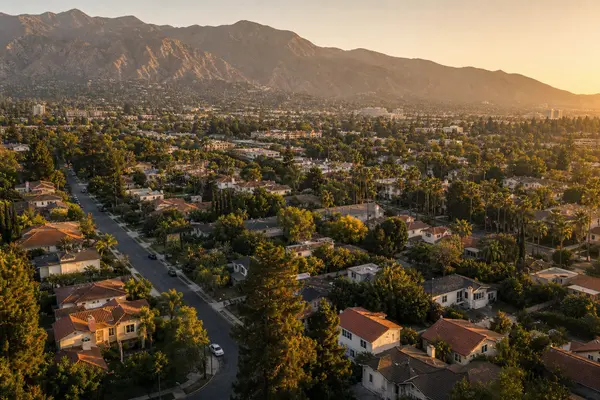
Arcadia sits in the footprint of the former Rancho Santa Anita — a 13,000-acre Spanish land grant — and its geography reflects that history. The city is bounded roughly by the San Gabriel Mountains foothills to the north, the cities of Monrovia and Duarte to the east, El Monte and Temple City to the south, and San Marino and Pasadena to the west.
The 210 freeway cuts through the northern portion of the city, creating a meaningful distinction between north-of-210 and south-of-210 neighborhoods that buyers consistently ask about.
North of the 210: Larger lots, newer construction in some areas, more hillside and foothill-adjacent properties, generally higher prices. The neighborhoods here have a more suburban, spacious character. Access to hiking trails in the foothills is a genuine lifestyle amenity for residents who use them.
South of the 210: Older housing stock, smaller lots on average, more affordable entry points. Many of the city's classic post-war ranch homes and 1960s-era construction sit in this area. Closer to the city's commercial corridor on Huntington Drive and to neighboring Monrovia, Temple City, and San Gabriel.
Arcadia's Schools: What the Numbers Show
Arcadia Unified School District is the primary reason many families target this city — and the data supports the reputation.
AUSD serves approximately 10,000 students across eleven schools, including Arcadia High School, and consistently ranks among the top school districts in Los Angeles County by state assessment scores, graduation rates, and college enrollment outcomes.
A few specifics worth knowing:
Elementary schools in AUSD vary in their test score profiles and parent community strength. Schools like Baldwin Stocker, Hugo Reid, and Longley Way have strong reputations and active parent communities. School assignment in Arcadia is address-based — knowing which elementary school serves a specific property before you make an offer is worth verifying directly with the district.
Arcadia High School has a strong academic program, a competitive athletics tradition, and college placement outcomes that reflect the district's academic culture. The school's robotics program, AP course catalog, and IB program options are genuine draws for academically motivated families.
Private school options in and around Arcadia include several well-regarded institutions that some families consider as alternatives or complements to AUSD, particularly at the middle and high school levels.
For buyers making housing decisions primarily around school quality, AUSD is a real differentiator — one that is directly reflected in Arcadia's price premium over neighboring Temple City and San Gabriel, which have solid but less prestigious school systems.
Neighborhoods Worth Knowing
Upper Rancho / North Arcadia
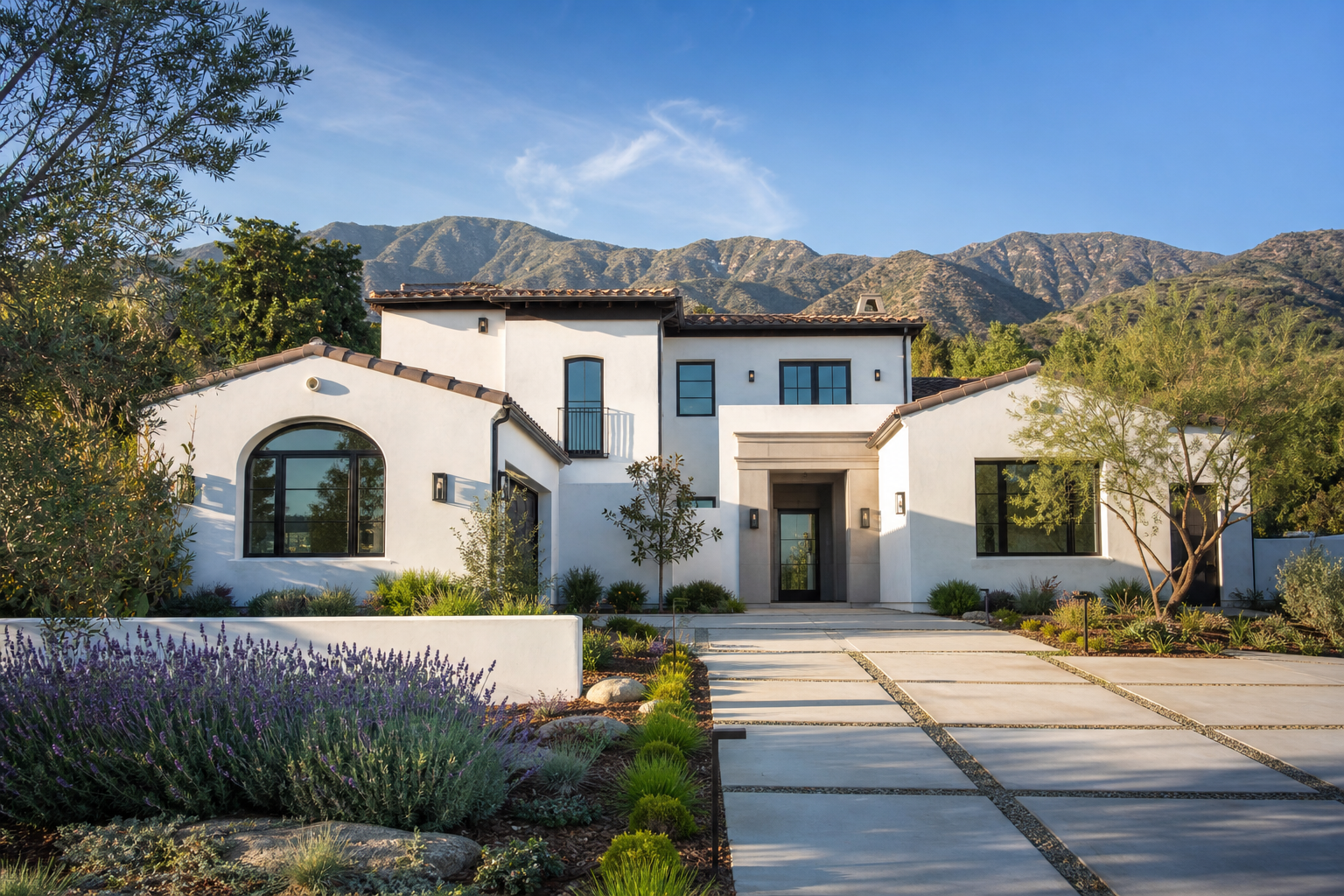
The neighborhoods north of the 210 — particularly the upper Rancho area closer to the foothills — represent Arcadia's most exclusive residential addresses. Lots here are often larger, homes are frequently newer or significantly renovated, and the sense of space and privacy is more pronounced than in the city's southern neighborhoods.
Buyers targeting this area are typically in the $2 million and above range. Many of the homes here have been extensively renovated or custom-built, with newer construction starting in the $2.5–$4 million range.
Historic Neighborhoods South of the 210
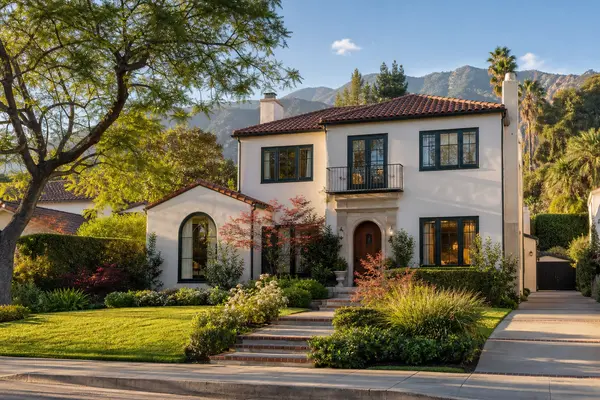
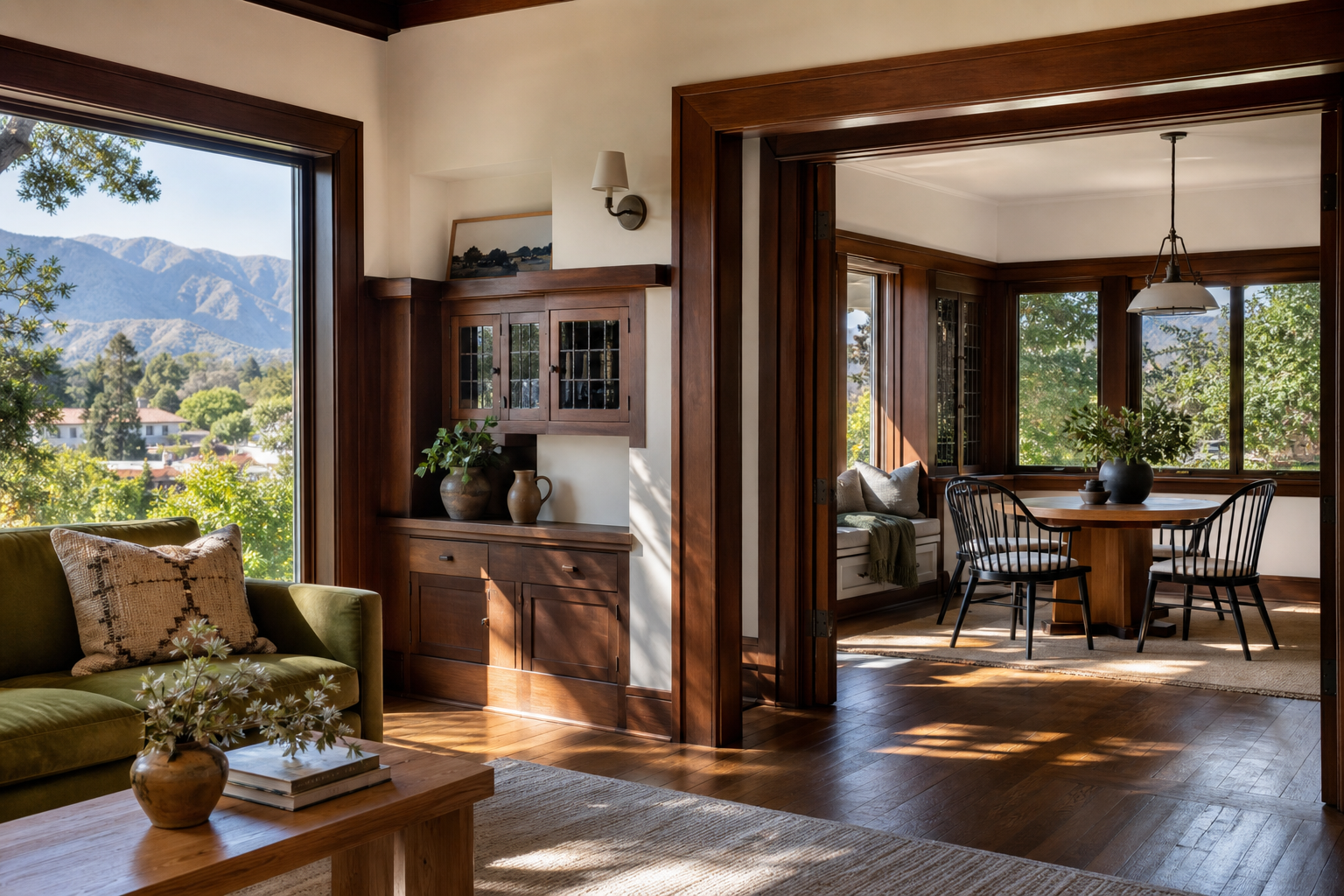
Arcadia's southern residential areas contain a meaningful inventory of classic California ranch homes, Spanish-style properties, and mid-century construction on established streets with mature landscaping. These neighborhoods have an established, settled character that appeals to buyers who value authenticity over new construction.
Entry-level single-family homes in this area — smaller footprints, original condition, needing updates — can be found starting in the $1.1–$1.3 million range. Updated or well-maintained homes typically start in the $1.4–$1.7 million range.
Downtown Arcadia Corridor
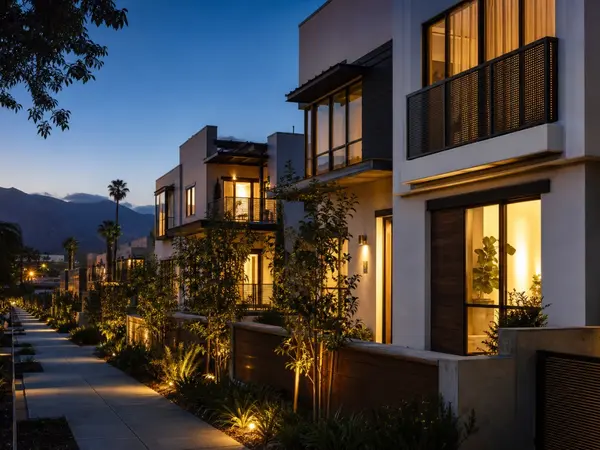
The area around Arcadia's Huntington Drive and Santa Anita Avenue commercial corridors has more condo and multi-unit residential inventory than the surrounding residential neighborhoods. Buyers looking for lower-maintenance ownership or a more accessible entry price point into AUSD often start here.
Santa Anita Racetrack Vicinity
The area surrounding the Santa Anita Park racetrack and Westfield Santa Anita has seen meaningful commercial development over the years, and the surrounding residential neighborhoods benefit from the retail, dining, and entertainment options nearby. The racetrack itself is a distinctive piece of Arcadia's identity — some buyers love the proximity; others are neutral.
What Living in Arcadia Is Actually Like
Commute. Arcadia is served by the 210 freeway and accessible to the 605 via surface streets. The Metro A Line (Gold Line) stops at the Arcadia station and provides rail access to Pasadena and downtown Los Angeles. Commute times to central LA vary widely depending on departure time — plan on 30–50 minutes by freeway during normal conditions; more during peak hours.
Dining and shopping. Arcadia has one of the most developed Chinese-American dining and commercial scenes in the SGV. The area around Valley Boulevard and Las Tunas Drive has a dense concentration of Taiwanese, Cantonese, and Sichuan restaurants that draw diners from across the region. Westfield Santa Anita provides conventional retail anchors. Downtown Arcadia has a small but improving core of local businesses.
Parks and recreation. Arcadia's park system includes several family-oriented parks with sports fields and playgrounds. The Arboretum of Los Angeles County — situated within Arcadia — is one of the region's most distinctive green spaces, with botanical gardens, a historic peacock population, and facilities that host events throughout the year. The nearby San Gabriel Mountains provide hiking, camping, and seasonal recreation within 20–30 minutes of most Arcadia neighborhoods.
Community character. Arcadia has a well-established Chinese-American community and a significant number of residents with ties to Greater China, Taiwan, and Hong Kong. This demographic reality shapes the city's commercial offerings, its community events, and its social fabric in ways that many buyers — particularly those from this cultural background — find deeply appealing. For buyers who are relocating from other regions and are less familiar with the SGV's demographics, Arcadia's cultural character is something worth understanding before you decide it's the right city for your family.
What Buyers Need to Budget for in Arcadia
Beyond the mortgage payment, here are the additional costs that Arcadia buyers should plan for.
Property taxes. Los Angeles County's effective property tax rate — including the 1% Proposition 13 base plus voter-approved assessments — typically runs approximately 1.1%–1.25% of the purchase price annually in Arcadia. On a $1.6 million home, that's roughly $17,600–$20,000 per year, or $1,470–$1,670 per month.
Homeowners insurance. Arcadia is largely not in a high-fire-hazard zone, which means standard homeowners insurance is generally available at reasonable rates. Some hillside and foothill-adjacent properties may have different risk profiles — verify insurance availability and cost for any specific property you're seriously considering before removing contingencies.
HOA fees. Most Arcadia single-family homes are not in HOA communities. Condos and townhomes, and some planned developments, do have HOAs — verify the fee structure and HOA financial health for any attached-housing purchase.
Maintenance. Arcadia's older housing stock — particularly the classic homes south of the 210 — can carry meaningful deferred maintenance. Budget for ongoing maintenance costs as part of your true cost of ownership, not just the mortgage.
Is Arcadia Right for You?
Arcadia is an excellent fit for buyers who prioritize school quality, value a strong community identity, want access to the SGV's Chinese-American commercial and cultural ecosystem, and are comfortable at price points that reflect the premium those things carry.
It may not be the right fit for buyers who want urban walkability, a significant nightlife or entertainment scene close to home, or the aesthetic of a newer master-planned community.
And for buyers who love Arcadia but are finding the price point difficult, Temple City — which borders Arcadia and shares some of its neighborhood character at somewhat lower prices — is worth a serious look.
FAQ
How are Arcadia's schools compared to neighboring cities?
Arcadia Unified consistently ranks among the top districts in LA County. San Marino Unified is the only SGV district that consistently outranks it, but San Marino's prices are significantly higher. Temple City and Pasadena unified districts are solid but generally rank below AUSD.
Is Arcadia safe?
Arcadia has consistently posted crime rates below state and county averages, particularly for violent crime. Like any city, specific areas and streets vary — your agent can give you a more granular sense of any specific neighborhood you're considering.
What is the average home price in Arcadia?
The median single-family home price in Arcadia has typically been in the $1.5–$1.8 million range, with significant variation by location, size, and condition. Entry-level homes start around $1.1 million; luxury properties in upper Arcadia regularly exceed $3 million.
Does Arcadia have good public transit?
The Metro A Line (Gold Line) provides rail service to Pasadena and downtown LA from the Arcadia station. Bus service is available but limited. Most Arcadia residents rely primarily on personal vehicles.
Is Arcadia a good place to invest in real estate?
Arcadia has shown strong long-run appreciation and consistent rental demand, particularly for properties in good condition in AUSD boundaries. The significant international buyer base creates a liquid market at most price points. Investment-specific analysis depends on the specific property and purchase price.
How does Arcadia compare to San Marino?
Both are premium SGV markets with strong schools and significant international buyer demand. San Marino carries higher prices, a more exclusive reputation, and a smaller total housing inventory. Arcadia offers a broader range of price points, a more developed commercial scene, and a larger community. Many buyers consider both cities simultaneously.
If you're thinking about buying or selling in Arcadia, Temple City, San Marino, or anywhere in the San Gabriel Valley, I'm always glad to share what's actually happening in the market right now and help you figure out what makes the most sense for your situation.
Categories
Recent Posts