
Pros and Cons of Living in Long Beach, California — An Honest Guide for Home Buyers
The Pros and Cons of Living in Long Beach: Is This Coastal City Right for You?
Long Beach is one of Southern California's most talked-about cities for homebuyers right now — and for good reason. It offers a rare combination of coastal access, urban energy, cultural diversity, and home prices that are still (relatively) more accessible than its neighbors to the north and west.
But like any city, Long Beach is not for everyone. Before you commit to buying here, you deserve an honest look at both sides of the equation.
I work with buyers in Long Beach regularly, and here's my real, unfiltered take on what it's actually like to live there.
The Pros of Living in Long Beach
1. You're Getting a Beach City at a (Relatively) Better Price
The coastal premium in Southern California is steep. Santa Monica, Manhattan Beach, and Hermosa Beach are all exceptional — and priced accordingly, with medians well north of $1.5 million. Long Beach sits on the same Pacific coastline and offers beach neighborhoods like Belmont Shore and Naples at significantly more accessible price points.
For buyers who want ocean proximity without paying the absolute peak of the SoCal coastal market, Long Beach is often the answer.
2. The Neighborhoods Are Genuinely Diverse — in the Best Way
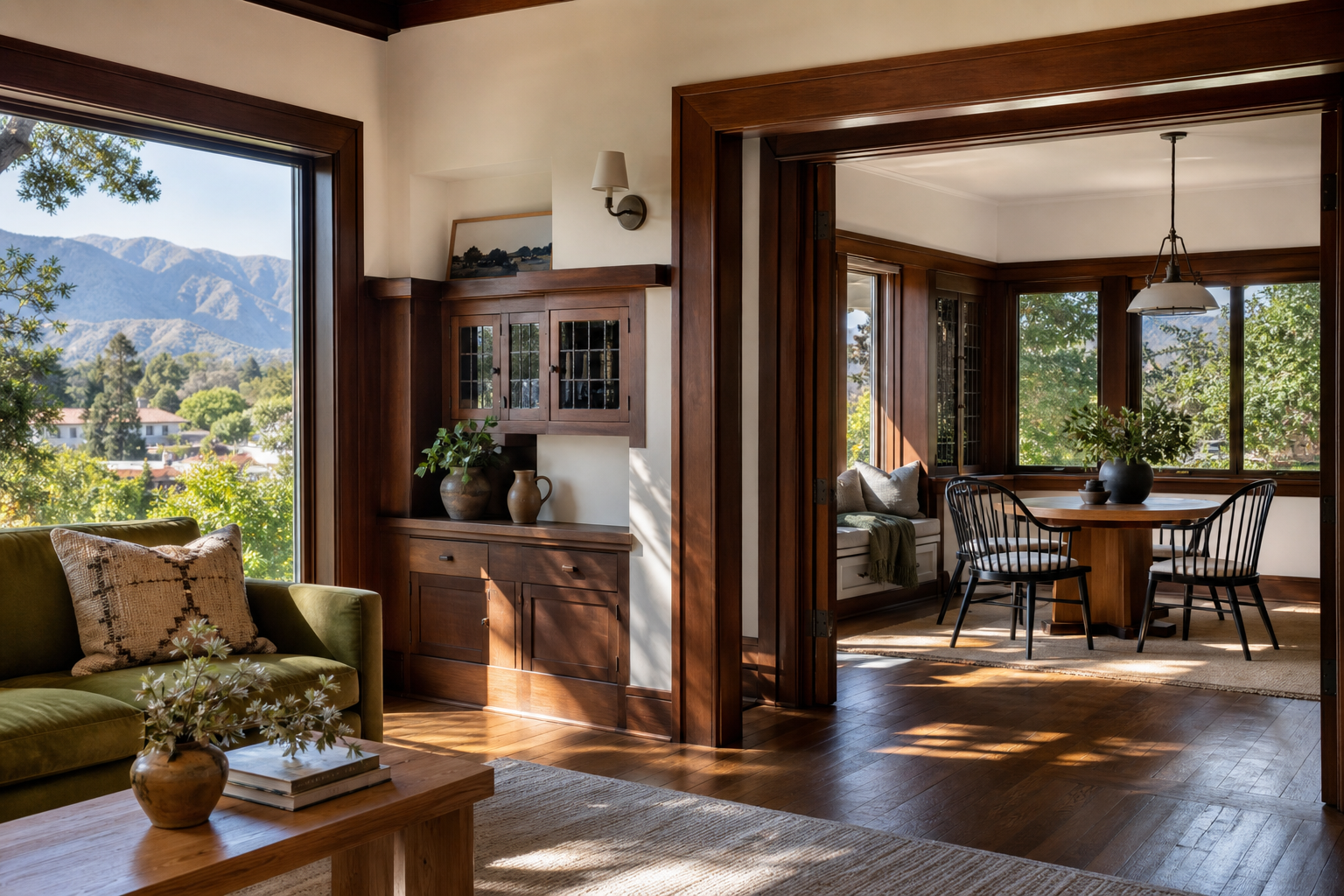
Long Beach is not a cookie-cutter city. You've got the historic charm of Bluff Park and Carroll Park with their craftsman bungalows and Spanish Revival homes. You've got the beach town energy of Belmont Shore, with its walkable main street and laid-back café culture. You've got the artsy, eclectic vibe of the Arts District near DTLB. And you've got more affordable family neighborhoods further east and north.
There's a version of Long Beach for a wide range of lifestyles and budgets, which is part of what makes it such a compelling market.
3. It Has a Real Downtown — and It's Growing
Long Beach's downtown has transformed meaningfully over the past decade. The East Village Arts District, the Shoreline Village waterfront, the Aquarium of the Pacific, and a growing restaurant and bar scene have made it a destination neighborhood — not just a place you pass through.
For buyers who want urban walkability without living in Los Angeles proper, downtown Long Beach is an increasingly serious option.
4. The Port Drives Economic Stability
The Port of Long Beach is one of the busiest container ports in the world, and it anchors a significant portion of the local and regional economy. That kind of economic infrastructure adds a layer of stability to the Long Beach market that more purely residential cities don't have.
Economic stability supports property values over the long term — which matters for buyers thinking about appreciation and resale.
5. Transportation and Connectivity
Long Beach is well-connected for a SoCal city. The Metro A Line (Blue Line) provides rail access to downtown Los Angeles, making it one of the more transit-friendly options for buyers who need to commute to the metro area without dealing exclusively with freeway traffic. The 405, 710, and 605 freeways also converge in and around Long Beach, giving drivers multiple routing options.
The Cons of Living in Long Beach
1. The Market Is Still Competitive in Desirable Neighborhoods
The relative affordability that makes Long Beach attractive to buyers also makes it competitive. Belmont Shore, Bluff Park, and the 4th Street corridor don't sit on the market long. Well-priced homes in these neighborhoods can draw multiple offers quickly, and buyers who aren't pre-approved and ready to move fast can lose out.
Don't confuse "more accessible than Malibu" with "easy to buy in."
2. Traffic Is a Real Factor
Long Beach sits at a freeway junction, and traffic on the 405 corridor — especially during morning and evening commutes — can be genuinely brutal. If your commute takes you north toward LA or west toward the South Bay, budget real time for it. The city is also dealing with port-related truck traffic on certain corridors that can be a surprise for buyers who didn't factor it into their daily life.
3. Some Neighborhoods Are Still in Transition
Long Beach is a large city with significant variation in neighborhood quality. While many areas are thriving, others are still working through challenges related to crime, code enforcement, and uneven development. The gap between a top neighborhood and a struggling one can be just a few blocks.
This makes hyper-local knowledge essential when buying in Long Beach. Not all zip codes — or even blocks — are equal.
4. Older Housing Stock Means More Due Diligence
Large portions of Long Beach's residential housing inventory was built between the 1920s and 1970s. That's charming — craftsman bungalows, Spanish colonials, mid-century homes — but it also means buyers need to be thorough with inspections.
Older plumbing (galvanized pipes, cast iron), original electrical panels, foundation issues in some areas, and potential hazardous materials (lead paint, asbestos) in pre-1978 homes are all real considerations that need to be evaluated carefully before closing.
5. Flood Zone and Insurance Considerations
Certain areas of Long Beach — particularly near the coast, the LA River, and low-lying areas near the port — fall within FEMA flood zones. Homes in designated flood zones require flood insurance, which adds to your monthly cost of ownership and should be factored into your budget before you fall in love with a waterfront or near-water property.
Always check the flood zone designation for any property you're seriously considering.
So — Is Long Beach Right for You?
Long Beach is an excellent choice if you want coastal SoCal living with real urban character, walkable neighborhoods, and a more diverse price range than the cities immediately to the north. It rewards buyers who do their homework, know their target neighborhoods, and move decisively when the right home appears.
It may not be the right fit if you need to be in a certain school district, if your commute goes deep into LA County and you're sensitive to traffic, or if you prefer the quieter pace of a more suburban environment.
The key is knowing exactly what you're looking for — and finding the right pocket of Long Beach that delivers it.
Thinking about buying in Long Beach? Drop your questions below — I love helping buyers figure out if and where in Long Beach makes sense for their situation.
Let's Find Your Long Beach Home
I know this market block by block. Let's talk about what you're looking for and whether Long Beach is the right fit.
Categories
Recent Posts