
Living in Pasadena, California: A Real Estate Guide to One of the SGV's Most Desirable Cities
Pasadena Real Estate Guide: Your Friendly Introduction to the City’s Market

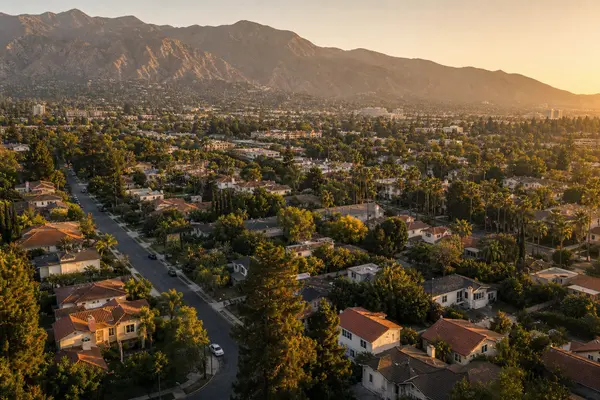
Pasadena occupies a rare position in the Southern California real estate landscape. It has the architectural character and neighborhood identity of a city that has been carefully built over more than a century. It has top-rated schools, a genuine cultural scene, and proximity to major employment centers without sitting inside the density of central Los Angeles. And it has consistently held and grown its value across multiple market cycles.
For buyers considering the San Gabriel Valley, Pasadena is almost always on the shortlist — and for good reason. For sellers, understanding what makes Pasadena tick helps explain why well-prepared homes here continue to attract strong demand.
This is a grounded look at what it actually means to live and buy in Pasadena in 2025.
Pasadena at a Glance
- Population: Approximately 138,000
- Location: Northwestern San Gabriel Valley, approximately 11 miles northeast of downtown Los Angeles
- Median household income: Approximately $85,000–$95,000
- Major employers: Caltech (California Institute of Technology), Huntington Hospital, NASA's Jet Propulsion Laboratory (JPL), City of Pasadena, Parsons Corporation, and a range of professional services, healthcare, and technology firms
- Transit: Gold Line (now the A Line) light rail connects Pasadena to downtown LA, Azusa, and points in between; major freeway access via the 210, 134, and 110
The Real Estate Market: What Are Homes Actually Selling For?
Pasadena's housing market sits solidly in the upper-middle tier of the San Gabriel Valley, with pricing that reflects its desirability, school quality, and architectural inventory.
Single-family homes:
- Entry-level homes (smaller square footage, older condition, less desirable blocks): $900,000–$1,100,000
- Mid-range (3–4 bedroom, good condition, established neighborhoods): $1,200,000–$1,800,000
- Upper tier (larger homes, premium locations, significant renovation or historic character): $2,000,000–$4,000,000+
Condominiums and townhomes:
- 1–2 bedroom condos: $550,000–$850,000
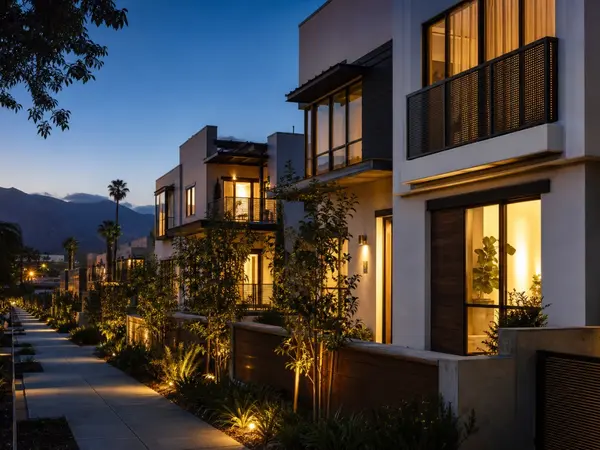
- Larger townhomes and newer construction: $800,000–$1,300,000
Market pace: Well-priced, well-presented homes in Pasadena's most desirable neighborhoods typically generate strong buyer activity in the first two weeks of listing. Overpriced homes sit — and Pasadena buyers are data-savvy enough to know when something is priced above the market.
Pasadena's Neighborhoods: Where You Buy Matters
Pasadena is not a uniform market. The city spans a significant geographic area with meaningful variation by neighborhood, and understanding those distinctions is essential for buyers.
Historic Districts and Landmark Neighborhoods
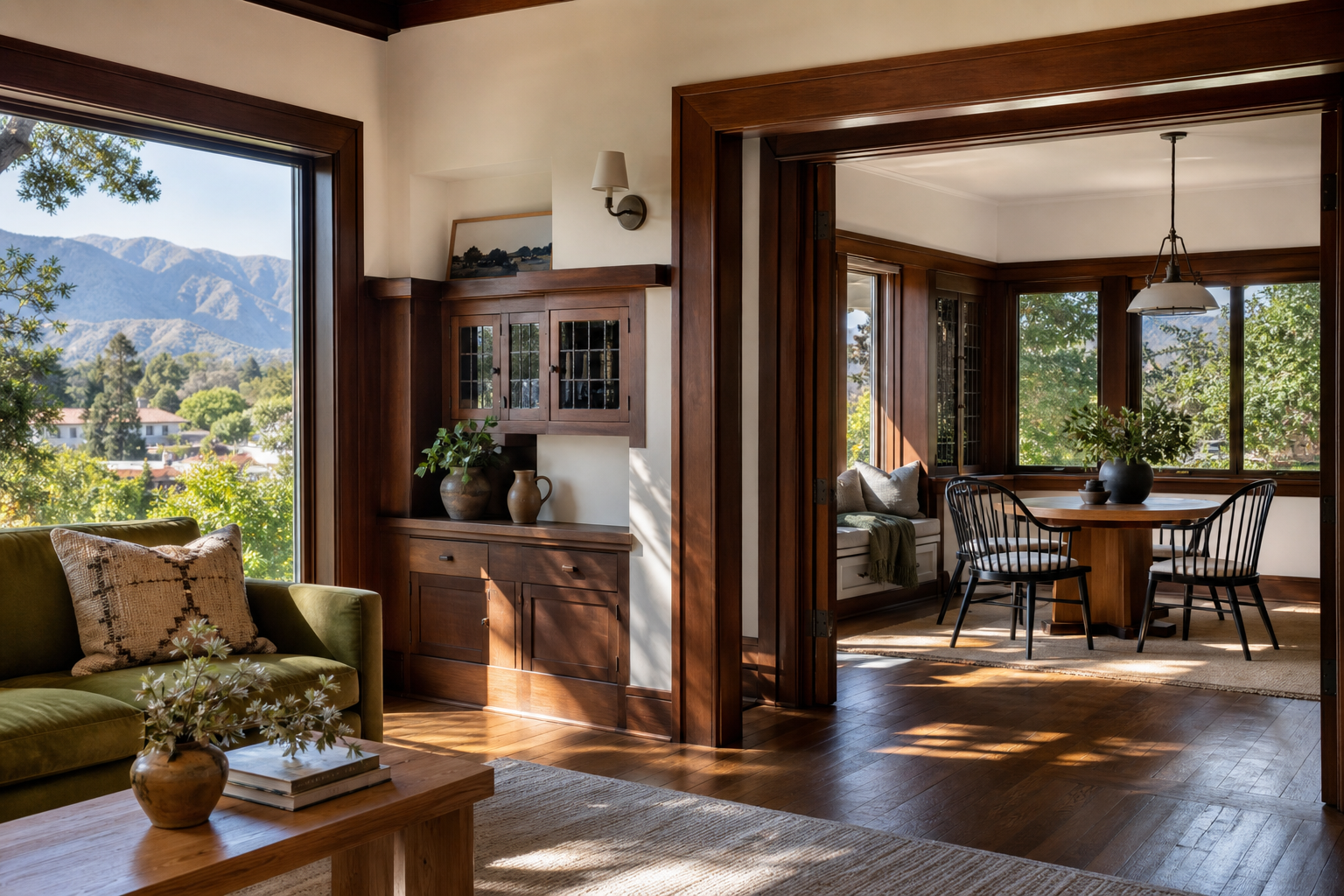
Madison Heights and Bungalow Heaven: Two of Pasadena's most storied residential neighborhoods, defined by extraordinary concentrations of early 20th century Craftsman bungalows, Colonial Revival homes, and California foursquares. Bungalow Heaven was designated a local landmark district in 1989 — one of the first such designations in California. Homes here carry a preservation premium; any exterior modification requires review under the local landmark ordinance. Buyers who love architectural integrity and neighborhood character find these areas deeply compelling. Buyers who want to renovate extensively find the landmark designation constraining.
Prospect Park and Prospect Square: Two small but architecturally significant districts near the Arroyo Seco, featuring homes by prominent early California architects including Greene & Greene. These are among the most sought-after addresses in all of Pasadena, with prices to match.
San Rafael and Linda Vista: Hillside neighborhoods on the western edge of Pasadena, offering larger lots, canyon and Arroyo views, and a quieter residential character. Proximity to the Rose Bowl and Brookside Golf Course adds lifestyle value.
Centrally Located Neighborhoods
South Pasadena border areas and Caltech vicinity: Neighborhoods between Caltech and the South Pasadena border attract an academic and professional buyer profile. Proximity to the Gold Line's Del Mar and Memorial Park stations adds transit value. Many homes here are smaller in scale — bungalows, cottage-style properties — with pricing reflecting location more than square footage.
Madison Heights: Bordered by California Boulevard to the north and Colorado Boulevard to the south, this well-organized neighborhood offers good access to the city's retail and dining core, schools, and transit. A mix of bungalows, Spanish colonials, and mid-century homes.
East Pasadena and Hastings Ranch
East Pasadena and the Hastings Ranch neighborhood offer larger lots and more suburban character than the city's western neighborhoods, at somewhat more accessible price points. The trade-off is less walkability and greater freeway-adjacency. For families who need more square footage and outdoor space, this part of Pasadena can offer genuinely good value relative to the city's western areas.
Altadena (Unincorporated LA County — Adjacent to Pasadena)
Technically not part of Pasadena proper — Altadena is an unincorporated community of Los Angeles County — but it borders Pasadena to the north and shares many of the same lifestyle characteristics, with larger lots, mountain proximity, and a slightly more eclectic character. Altadena has historically offered more accessible pricing than comparable Pasadena neighborhoods, though prices have converged meaningfully in recent years. Important note for 2025 buyers: The January 2025 Eaton Fire caused significant damage in portions of Altadena and adjacent foothill areas. Buyers interested in this area should conduct thorough due diligence regarding specific property and community conditions.
Schools: What the Data Shows
Pasadena Unified School District (PUSD) is one of the most discussed school districts in the SGV — and the conversation is more nuanced than simple rankings suggest.
PUSD serves a very diverse student population, which is reflected in performance data that shows significant variation across the district:
Higher-performing PUSD schools (by CAASPP assessment scores and other metrics):
- Eliot Arts Magnet Middle School
- Blair Multilingual Learning Academy (magnet programs)
- Westridge School for Girls (independent, not PUSD)
- Polytechnic School (independent, not PUSD)
- San Marino Unified (adjacent district — some buyers specifically target San Marino for school reasons)
The magnet school factor: PUSD operates a robust magnet school system that gives families access to specialized programs — International Baccalaureate, arts focus, STEM emphasis — through a lottery-based enrollment process. Understanding the magnet system and applying strategically is an important part of navigating PUSD for families with school-age children.
The private school ecosystem: Pasadena has an unusually strong ecosystem of private and independent schools — Polytechnic School, Westridge School, Mayfield Senior School, Chandler School, and others — that draw families who prefer alternatives to the public district. This private school infrastructure is itself a quality-of-life amenity that attracts certain buyer profiles to the city.
For buyers focused on schools: Research the specific schools assigned to individual addresses, understand the magnet lottery process, and consider whether the independent school ecosystem meets your needs. Don't make school decisions based solely on district-level averages.
What Makes Pasadena's Market Resilient
Architectural Inventory Is Non-Replicable
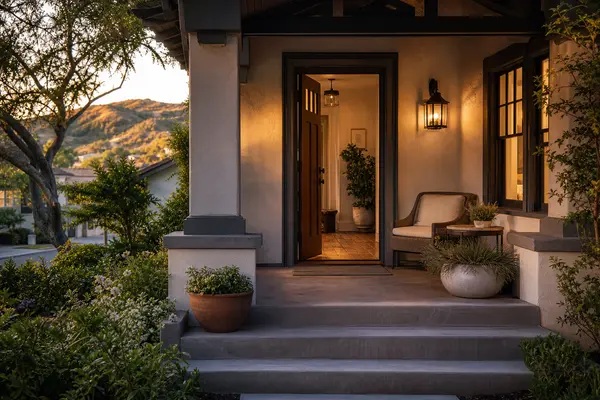
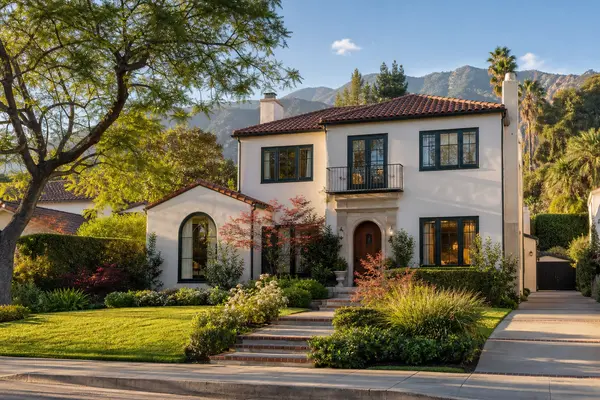
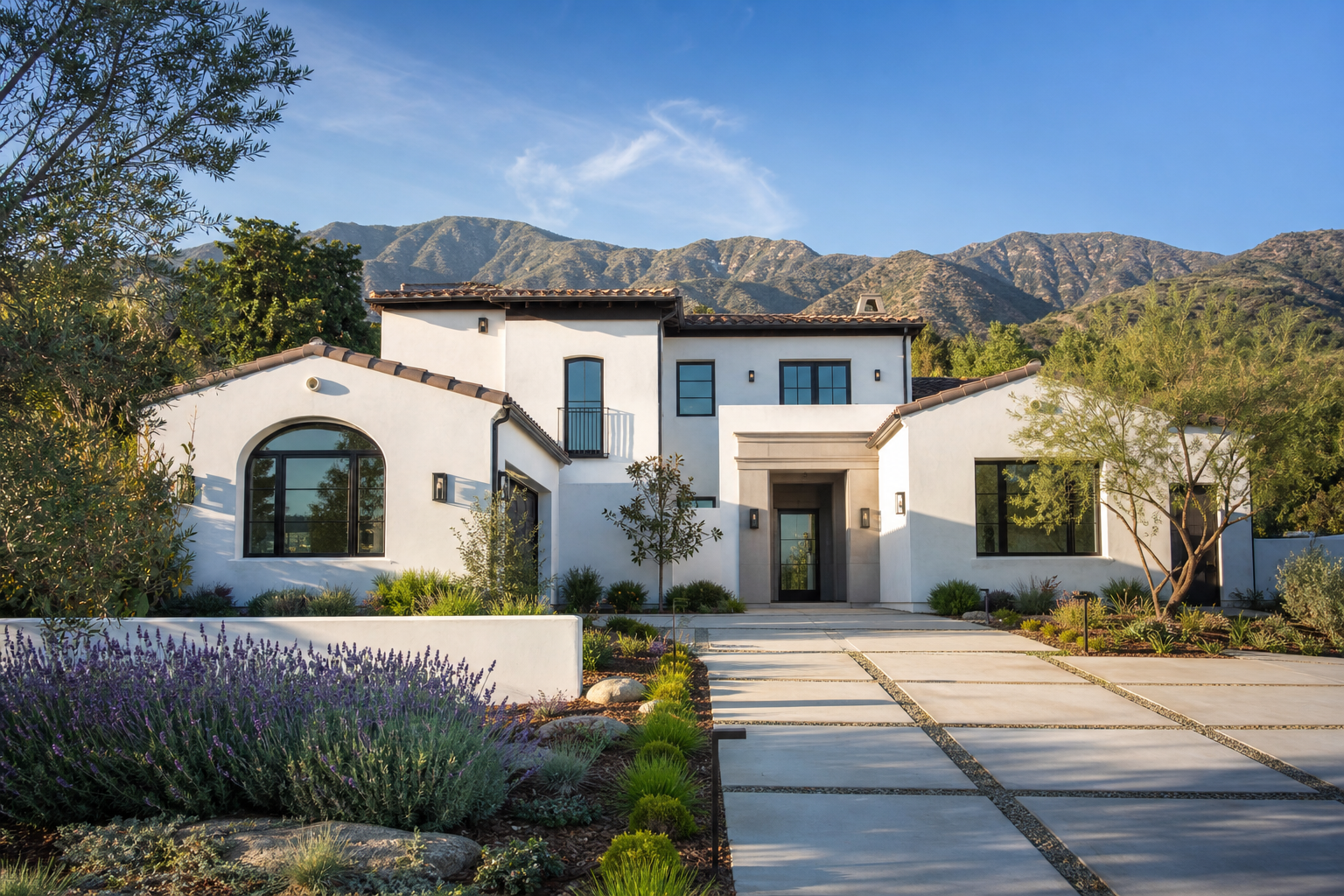
Pasadena has a concentration of architecturally significant homes — Craftsman bungalows, Spanish Colonial Revival, Tudor Revival, Mid-Century Modern — that simply cannot be rebuilt elsewhere at any price. This irreplaceability creates a floor under values that purely modern markets don't have. Buyers who understand architectural value — and there are many in Pasadena's buyer pool — pay premiums for it.
The Rose Bowl and Cultural Anchors
The Rose Bowl, the Huntington Library and Gardens, the Norton Simon Museum, Old Town Pasadena's dining and retail corridor, and the Arroyo Seco outdoor amenities all contribute to a lifestyle quality that sustains demand from high-income buyers who have choices about where they live.
Caltech and JPL Employment
California Institute of Technology and NASA's Jet Propulsion Laboratory — both major employers with national and international talent pools — create sustained, educated, high-income buyer demand that is relatively recession-resistant. Academic and research institutions don't relocate; their demand anchor is permanent.
Proximity to Major LA Employment
Pasadena's position at the intersection of the 210 and 134 freeways, with Gold Line access to downtown LA, makes it commutable to a wide range of major employment centers — downtown LA, the Westside (with a commute), Burbank and the entertainment corridor, and the broader SGV tech corridor. This employment accessibility supports buyer demand from professionals across multiple industries.
What Buyers Should Know Before Purchasing in Pasadena
Historic designation matters — investigate before you buy. If you're buying a home in a local landmark district (Bungalow Heaven, Prospect Park, etc.) or a property with individual historic designation, exterior modifications — even painting a door a different color or replacing windows — may require review and approval. Understand these restrictions before you fall in love with a property.
Seismic considerations. Pasadena sits in proximity to active fault systems, including the Sierra Madre fault zone. A Level 1 CLUE or geological assessment for hillside properties, and a thorough inspection of older homes for soft-story conditions and foundation integrity, is recommended.
Fire risk in foothill adjacency. Portions of north Pasadena and the foothill-adjacent areas carry elevated wildfire risk. Check the FHSZ (Fire Hazard Severity Zone) designation for any property in these areas and verify homeowners insurance availability and cost before removing contingencies.
Parking and ADU potential. Many Pasadena homes — particularly older bungalows — have detached garages that represent ADU conversion opportunities under California's current ADU laws. This potential adds value both as additional living space and as potential rental income.
What Sellers Should Know About Pasadena
Your home's history and character are selling points. In a market full of buyers who specifically want architectural character and neighborhood identity, a Craftsman bungalow or Spanish Colonial in original or tastefully restored condition has genuine scarcity value. Present it accordingly — don't hide its age; celebrate its authenticity.
Photography and staging are critical here. Pasadena homes with strong bones and good light photograph beautifully when presented correctly. Professional photography that captures the architectural detail and the neighborhood context is essential.
Price with precision. Pasadena's buyer pool is highly educated and data-literate. Overpricing doesn't work here — it just delays the transaction and often reduces the final price. Price based on current comps and let the market respond.
The Bottom Line on Pasadena
Pasadena offers something genuinely rare in Southern California: a city with deep architectural character, a real cultural identity, strong employment anchors, and sustained buyer demand from a highly educated and professional population. Its resilience across market cycles reflects those structural strengths.
For buyers, it requires careful neighborhood and school research, realistic expectations about what the price range delivers, and an understanding of the unique factors — historic designation, fire risk, ADU opportunity — that differentiate properties within the market. For sellers, it rewards excellent presentation and honest pricing.
It is, in short, a market that takes knowledge to navigate well — and that rewards the buyers and sellers who put in the work.
Categories
Recent Posts