
Thinking About Retiring in Southern California? Here's What You Actually Need to Know
Retiring in Southern California: Is It Right for You?

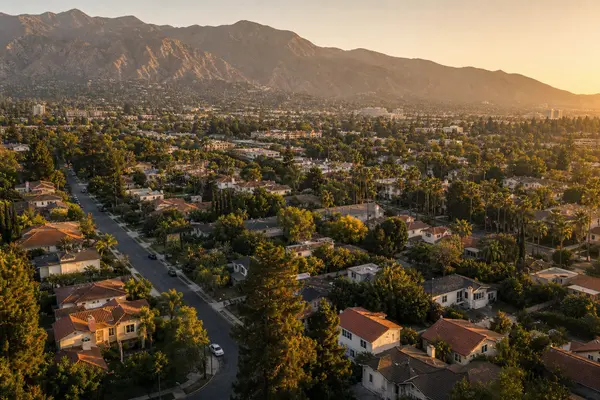
Southern California has always had a certain pull for retirees. The weather alone — 280+ sunny days a year in most of the region, mild winters, and virtually no snow — is enough to make it a serious contender for where to spend your retirement years.
But retiring in SoCal isn't just a lifestyle decision. It's a major financial one. And before you make the move — or decide to age in place in a home you already own here — there are things you need to know that most retirement guides don't tell you.
I work with retirees and near-retirees in the Southern California market regularly. Here's my honest, practical guide to what retiring in SoCal actually looks like.
Why Southern California Attracts Retirees
Let's start with what makes this region genuinely compelling for retirement.
The climate is hard to beat. Southern California's Mediterranean climate means warm, dry summers and mild winters across most of the region. For retirees dealing with joint pain, cold sensitivity, or simply a desire to spend more time outdoors, the climate is a major quality-of-life factor.
World-class healthcare. SoCal is home to some of the country's top hospital systems — Cedars-Sinai, UCLA Medical Center, Keck Medicine of USC, Scripps Health, UC San Diego Health, and many others. Access to excellent medical care close to home is one of the most important factors in retirement planning, and SoCal delivers.
Cultural richness and things to do. Museums, performing arts, professional sports, world-class restaurants, national parks within driving distance, and miles of accessible coastline. Boredom is genuinely not a concern here.
Family proximity. Many retirees choose SoCal because their adult children and grandchildren are already here. The ability to be close to family without sacrificing quality of life is a powerful driver.
The Financial Reality of Retiring in SoCal
Here is where the honest conversation begins.
Southern California is not an inexpensive place to retire. The cost of living — housing in particular — is significantly higher than most of the country. Retirees moving from more affordable states are often genuinely surprised by the numbers.
Housing costs are the biggest factor. Whether you're buying, downsizing, or renting, housing in SoCal represents a large share of a retirement budget. That said, if you're a long-time SoCal homeowner with significant equity, downsizing within the region can actually be an effective wealth-extraction strategy.
California taxes require planning. California taxes retirement income — including pension income and distributions from traditional IRAs and 401(k)s — at the state income tax rate, which can be significant depending on your income level. Social Security income is not taxed at the state level, which is one meaningful relief. Working with a financial advisor who understands California tax law is strongly recommended for retirees.
Property taxes have a major silver lining for long-time owners. California's Proposition 13 caps property tax increases at 2% per year for as long as you own your home. If you've owned your SoCal home for a long time, your property tax bill is likely far lower than what a new buyer would pay on the same property. This is a significant retirement benefit for existing homeowners.
Proposition 19 and downsizing. California's Proposition 19 allows homeowners 55 and older to transfer their existing property tax base to a new home anywhere in California — a major benefit for retirees looking to downsize. This means you can sell a large family home, buy a smaller property, and keep your lower tax base. Talk to your agent and a tax advisor to understand exactly how this applies to your situation.
Best Areas in SoCal for Retirees
Southern California offers a remarkable range of retirement environments. Here's a look at some of the most popular among the retirees I work with.
Inland Communities: Temecula, Murrieta, and the Wine Country
For retirees who want space, a quieter pace, and significantly more affordable home prices than the coast, the Temecula Valley wine country region is increasingly popular. Master-planned communities with active adult amenities, golf courses, and strong healthcare access make this area a compelling option for those who don't need to be steps from the ocean.
Orange County: Mission Viejo, San Clemente, and Laguna Niguel
South Orange County offers an exceptional blend of coastal proximity, safety, excellent healthcare, and well-maintained communities. It's one of the most popular retirement destinations in SoCal for good reason — though prices reflect that demand.
North San Diego County: Carlsbad, Encinitas, and Oceanside
The stretch of coastal North County San Diego offers some of the best weather in the entire country, a relaxed beach town lifestyle, and strong healthcare infrastructure. Prices are significant but generally below Los Angeles County coastal equivalents.
The Coachella Valley: Palm Springs, Palm Desert, La Quinta
For retirees who prioritize warmth, golf, resort-style living, and a tight-knit community of like-minded people, the Coachella Valley is hard to beat. It's also more affordable than coastal SoCal, with active adult communities at a wide range of price points. The trade-off is extreme summer heat — temperatures regularly exceed 110°F from June through September.
The South Bay: Torrance, Redondo Beach, Palos Verdes
For retirees who want to stay in the greater LA area with coastal access, milder weather, and a quieter residential feel than central LA, the South Bay offers a high quality of life at somewhat lower prices than the Westside.
Key Questions Retirees Should Ask Before Buying in SoCal
What are my total monthly housing costs? Don't just look at the mortgage or purchase price. Factor in property taxes, HOA fees (common in many SoCal retirement communities), homeowners insurance (which has increased significantly in many California markets due to wildfire risk), and utilities.
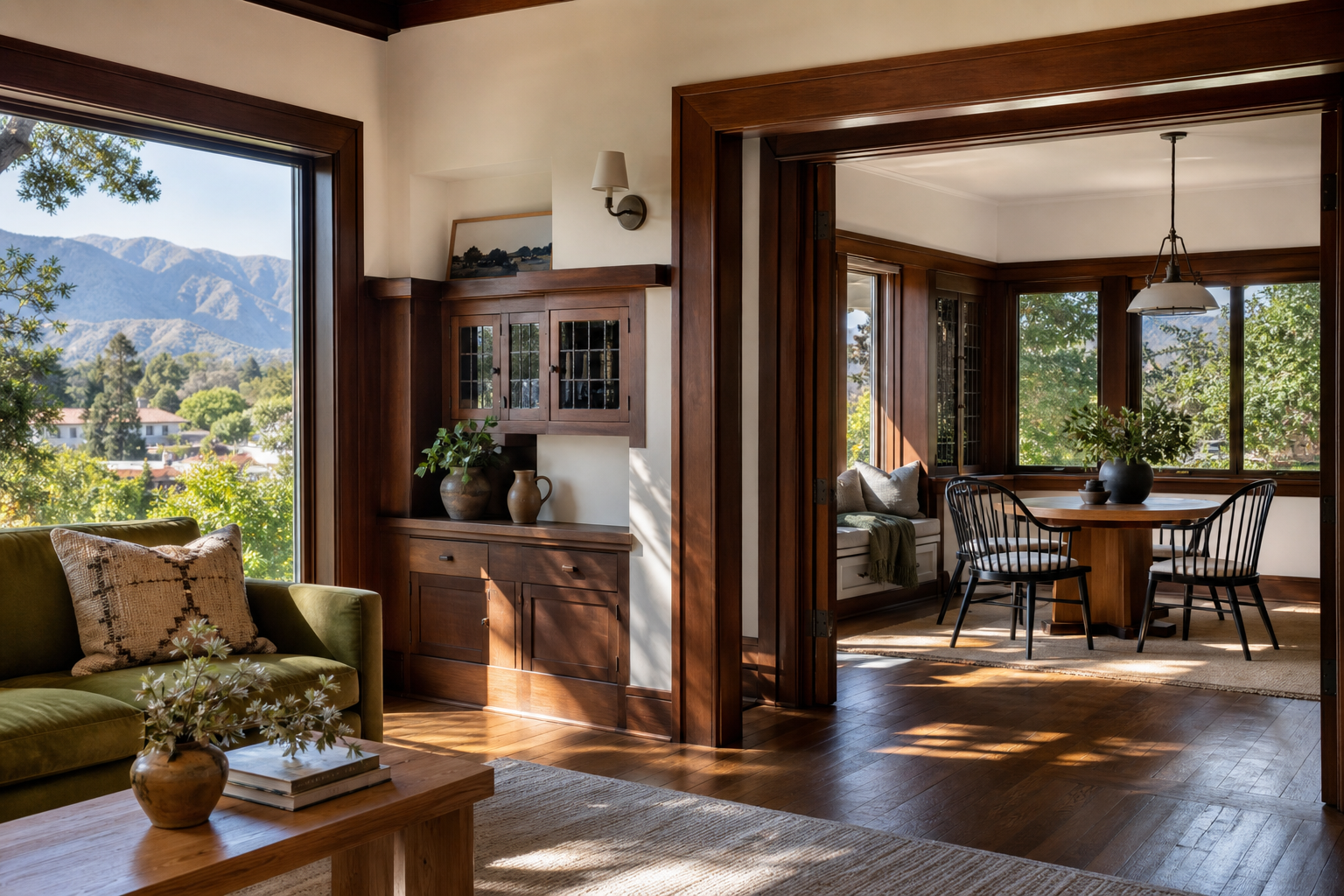
How is this home positioned for aging in place? Single-story layouts, accessible bathrooms, proximity to healthcare, and community walkability all become more important as you age. Think 15 years ahead, not just today.
What does the HOA actually cover — and how financially healthy is it? Many retirement-friendly communities in SoCal are governed by HOAs. Understand exactly what you're getting for those dues, what restrictions apply, and whether the HOA's reserve fund is adequately funded.
Am I in a fire risk zone? California's wildfire risk has become a major consideration for both buyers and their insurers. Before buying in any hillside, canyon-adjacent, or inland foothill area, check the property's fire hazard severity zone designation and confirm that homeowners insurance is available and reasonably priced.
Is Proposition 19 applicable to my situation? If you're a California homeowner 55+, you may be able to transfer your property tax base to a new home. This is a significant financial benefit that can meaningfully reduce your ongoing housing costs.
The Bottom Line for SoCal Retirees
Southern California offers an exceptional quality of life for retirees — the climate, healthcare, culture, and lifestyle are genuinely hard to match anywhere in the country. But it requires thoughtful financial planning, a clear-eyed understanding of costs, and guidance from professionals who know the local market.
For existing SoCal homeowners, the equity you've built and the tax protections available to you can make staying — or downsizing within — the region an excellent long-term financial decision. For out-of-state retirees considering a move, the numbers need to be run carefully against your retirement income and savings.
Either way, I'm here to help you navigate the real estate side of the equation.
Let's Talk About Your Retirement Move
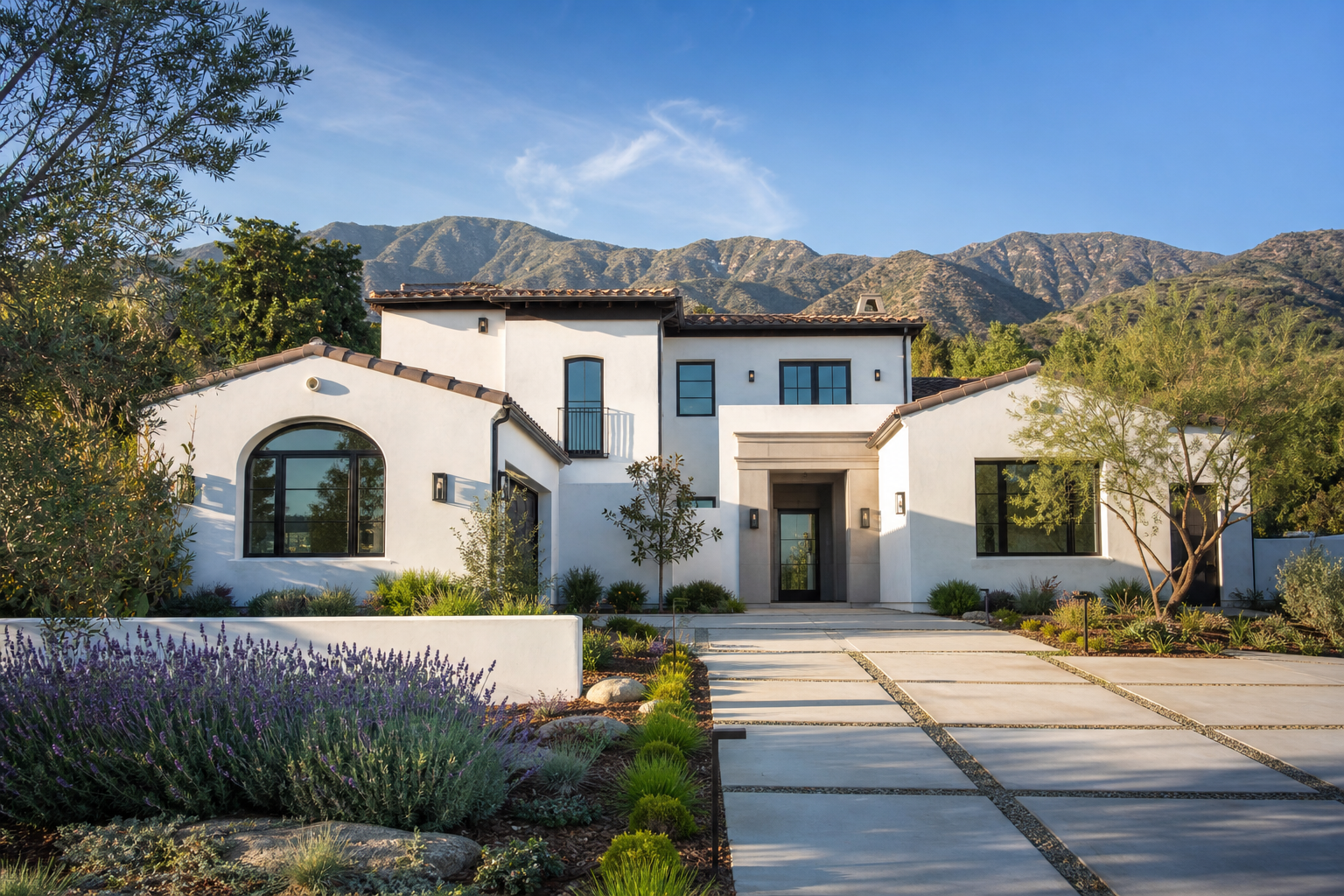
Whether you're downsizing, relocating, or buying your forever home in SoCal, I can help you find the right property in the right community for this chapter of your life.
Categories
Recent Posts